One day, a man went to the hospital because he had a fever. At the reception desk, he asked to see a doctor. The nurse smiled and said a physician would see him soon. The man felt confused. He wondered if a physician and a doctor were the same or different.
Many people face this question in daily life. The difference between physician and doctor is simple, but it is important to understand. Some people think both words always mean the same thing. However, the difference between physician and doctor shows that one word is broader than the other.
In basic terms, a physician is a type of doctor who treats illness using medicine instead of surgery. A doctor is a wider title used for many professionals with advanced degrees. Learning the difference between physician and doctor helps people speak clearly and understand healthcare roles better.
Key Difference Between Both
The main difference between physician and doctor is that a physician is a medical doctor who treats diseases with medicine, while doctor is a general title for people with a doctoral degree in many fields.
Why Their Difference Is Important
Understanding this difference helps students, professionals, and patients.
For learners, it improves vocabulary and communication. They can use the correct word in writing and speaking.
For experts and healthcare workers, it avoids confusion in hospitals and academic settings.
In society, the difference matters because people trust medical professionals. Knowing whether someone is a physician, surgeon, or another type of doctor helps patients choose the right healthcare provider.
Pronunciation
Physician
- US: /fɪˈzɪʃən/
- UK: /fɪˈzɪʃən/
Doctor
- US: /ˈdɑːktər/
- UK: /ˈdɒktə/
Linking Hook
Now that we understand the basics, let us explore the difference between physician and doctor in more detail.
Difference Between Physician and Doctor
1. Meaning
A physician is a medical doctor who treats diseases using medicine.
A doctor is a person who has the highest academic degree in a field.
Examples:
- The physician gave medicine for my cough.
- The physician checked my blood pressure.
- My neighbor is a doctor of psychology.
- She earned a doctoral degree and became a doctor.
2. Field of Work
Physicians work mainly in healthcare and medicine.
Doctors can work in medicine, education, science, or research.
Examples:
- The physician works in the hospital.
- The physician studies diseases and treatments.
- My teacher is a doctor of history.
- A doctor of science works in a laboratory.
3. Education Focus
Physicians study medical school and clinical training.
Doctors study doctoral programs in many subjects.
Examples:
- The physician studied human anatomy.
- The physician trained in patient care.
- The doctor studied literature for many years.
- The doctor completed a PhD in biology.
4. Job Role
Physicians diagnose and treat illness.
Doctors may teach, research, or practice medicine.
Examples:
- The physician diagnosed my infection.
- The physician prescribed medicine.
- The doctor teaches at a university.
- The doctor writes research papers.
5. Workplace
Physicians work in clinics and hospitals.
Doctors can work in universities, offices, hospitals, or labs.
Examples:
- The physician works in the emergency room.
- The physician checks patients daily.
- The doctor teaches students at college.
- The doctor studies climate change.
6. Scope of the Title
Physician is a specific title.
Doctor is a general title.
Examples:
- My physician helped me recover.
- The physician monitors my health.
- The doctor of law works in court.
- The doctor of education trains teachers.
7. Type of Work
Physicians mostly use medicine and medical advice.
Doctors may use knowledge and research in many fields.
Examples:
- The physician gave me treatment for the flu.
- The physician suggested rest.
- The doctor studied ancient languages.
- The doctor wrote a research article.
8. Public Use
People often say doctor for any medical professional.
The word physician is more precise.
Examples:
- I will visit my doctor today.
- The doctor checked my temperature.
- The physician specializes in heart disease.
- The physician treats internal medicine cases.
9. Specialization
Physicians often specialize in internal medicine.
Doctors may specialize in any academic field.
Examples:
- The physician studies heart diseases.
- The physician treats diabetes.
- The doctor studies chemistry.
- The doctor researches education systems.
10. Professional Identity
Physician identity is medical treatment.
Doctor identity depends on their field.
Examples:
- The physician cares for sick patients.
- The physician helps people stay healthy.
- The doctor studies physics.
- The doctor writes academic books.
Nature and Behaviour
Physician
A physician is caring and patient. Physicians listen carefully to patients and give treatment. They must stay calm and responsible because people’s health depends on them.
Doctor
A doctor may be a researcher, teacher, or medical professional. Doctors are curious and dedicated to learning. They often spend many years studying and sharing knowledge.
Why People Are Confused About Their Use
People are confused because physicians are also called doctors. When someone graduates from medical school, they receive the title “Doctor.”
So in daily conversation, people use the word doctor for physicians, surgeons, dentists, and other medical experts. This makes the terms seem identical even though their meanings are slightly different.
Comparison Table
| Feature | Physician | Doctor |
| Meaning | Medical professional treating illness | Person with a doctoral degree |
| Field | Medicine | Many fields |
| Work | Diagnoses and treats patients | Research, teaching, medicine |
| Scope | Specific medical role | Broad title |
| Workplace | Hospitals and clinics | Hospitals, universities, labs |
| Similarity | Both require advanced education | Both are respected professionals |
Which Is Better in Different Situations?
In healthcare situations, the word physician is often better because it clearly refers to a medical doctor who treats diseases with medicine. Hospitals and medical documents often use this term to be precise.
In everyday conversation, the word doctor is more common and easier for people to understand. When someone says, “I am going to the doctor,” everyone knows they mean a healthcare professional.
In academic or professional settings, the word doctor is important because many scholars earn doctoral degrees. In such cases, the term does not relate to medicine at all.
Metaphors and Similes
Both words sometimes appear in figurative language.
Examples:
- “A good teacher is like a doctor for the mind.”
- “The coach acted like a physician for the team, fixing their problems.”
These expressions show healing or problem-solving.
Connotative Meaning
Physician
- Usually has a positive and professional meaning.
Example: The physician saved many lives.
Doctor
- Mostly neutral or positive depending on context.
Example: She is a doctor of science.
Sometimes people jokingly say:
- “My mother is the doctor of our house.”
This means she solves family problems.
Idioms or Proverbs
1. “An apple a day keeps the doctor away.”
Example: My grandmother says an apple a day keeps the doctor away.
2. “Doctor your mistakes.”
Meaning: Fix or repair something.
Example: The editor doctored the article before publishing it.
Works in Literature
- “The Doctor’s Dilemma” play by George Bernard Shaw (1906) Genre: Drama
- “The Physician” novel by Noah Gordon (1986) Genre: Historical fiction
Movies
- Doctor Strange (2016, USA)
- The Physician (2013, Germany)
- Patch Adams (1998, USA)
FAQ Section
1. Is every physician a doctor?
Yes. A physician is a type of medical doctor.
2. Is every doctor a physician?
No. Many doctors have PhD degrees in subjects like science, law, or education.
3. Why do hospitals use the word physician?
Hospitals use it to clearly describe medical doctors who treat patients.
4. Which word is more common in daily speech?
The word doctor is more common.
5. Can a physician perform surgery?
Usually physicians focus on medicine, while surgeons specialize in surgery.
Usefulness in Our Surroundings
Understanding these words helps people communicate better in healthcare and education. When visiting hospitals, knowing the difference helps patients ask for the right professional.
In schools and universities, students learn that doctors can belong to many academic fields. This knowledge improves vocabulary and reduces misunderstanding.
Final Words About Both
Physicians and doctors are both highly educated professionals who contribute greatly to society. Physicians protect people’s health, while doctors in other fields expand human knowledge. Both roles deserve respect and appreciation.
Conclusion
The difference between physician and doctor is mainly about scope. A physician is a medical doctor who treats illness using medicine. A doctor is a wider title used for anyone who earns a doctoral degree in many academic fields.
In daily life, people often use the word doctor for physicians, which is why confusion happens. However, understanding the difference helps students, patients, and professionals communicate more clearly.
Both physicians and doctors play important roles in society. Physicians care for our physical health, while other doctors advance research, education, and knowledge. Learning these terms not only improves vocabulary but also helps us understand the world of medicine and education better.
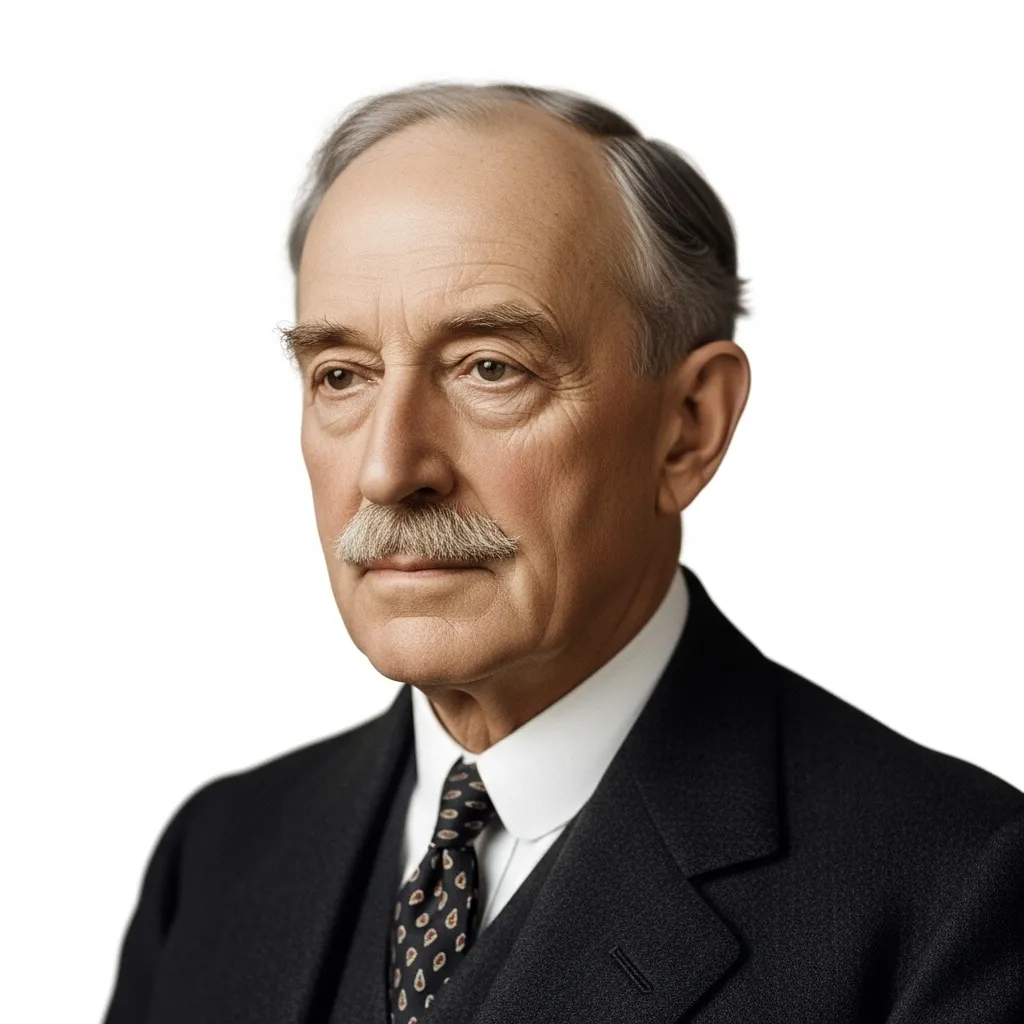
I am E.M. Forster (1879–1970), a renowned English novelist and essayist, famous for A Room with a View, Howards End, and A Passage to India. I explore human relationships, social class, and personal freedom, making my work a key part of 20th-century English literature.