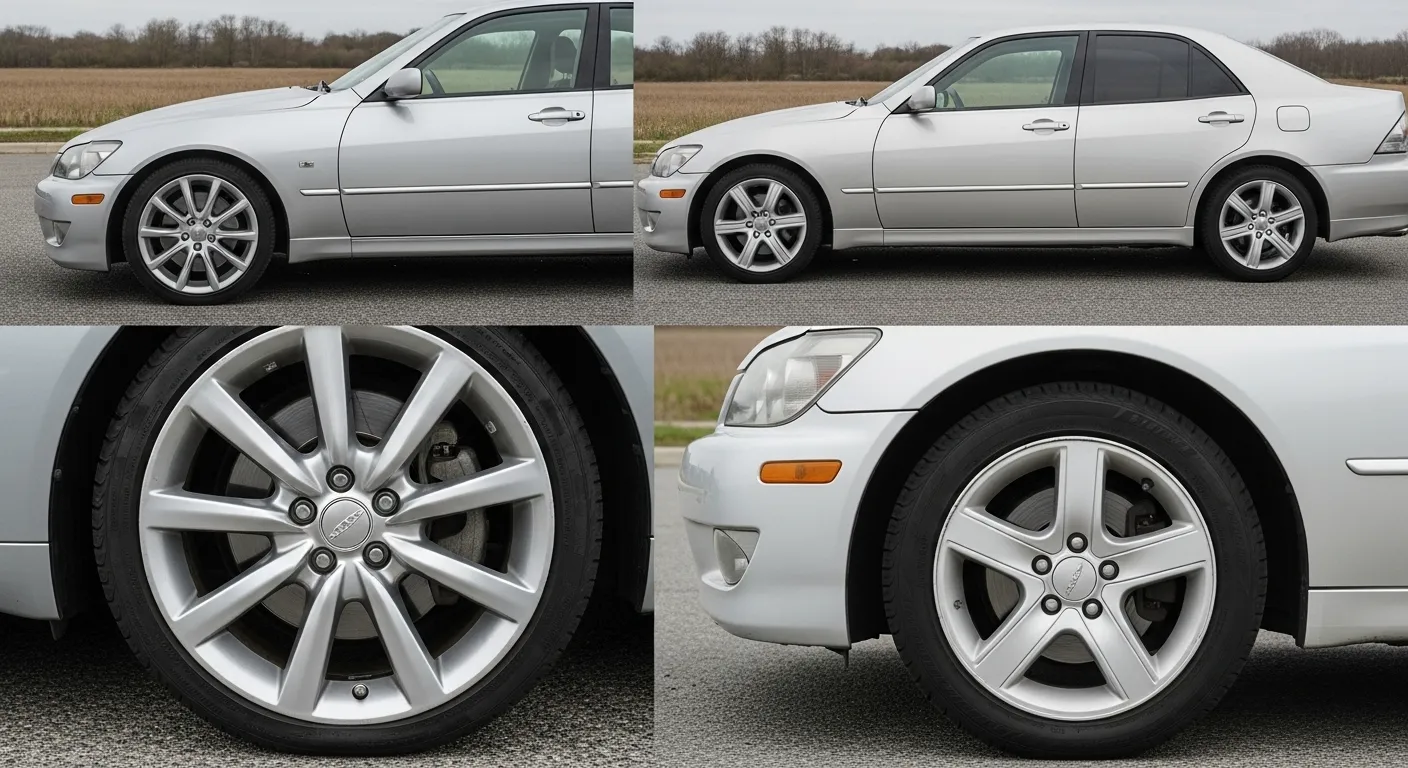
A few years ago, a friend visited a showroom to buy a sporty luxury sedan. The salesperson showed him two similar models from Lexus: the Lexus IS300 and the Lexus IS350. At first glance, both cars looked almost identical.
The design, comfort, and brand reputation were the same. However, when he asked about performance, the salesperson explained the difference between IS300 and IS350.Understanding the difference between IS300 and IS350 is important because these models target slightly different drivers.
Some buyers focus on fuel efficiency and affordability, while others want more power and sport performance. Many people researching luxury sedans search for the difference between IS300 and IS350 to make a smarter purchase decision. By learning the difference between IS300 and IS350, buyers can choose the model that matches their driving style and budget.
Key Difference Between the Both
The main difference lies in engine performance, horsepower, and driving dynamics. The IS350 is designed for stronger performance and faster acceleration, while the IS300 focuses on balanced efficiency and comfort.
Why Their Difference Is Necessary to Know for Learners and Experts
Knowing the difference between these two models helps consumers, car reviewers, and automotive students understand how manufacturers create variations within the same car lineup.
For buyers, it prevents overspending or underestimating performance needs. Experts in the automobile industry also analyze such differences to evaluate engineering choices, market segmentation, and consumer preferences. In society, informed car buyers make better financial and practical decisions when selecting vehicles.
Pronunciation
IS300
- US: /ˌaɪ ɛs ˈθriː ˈhʌndrəd/
- UK: /ˌaɪ ɛs ˈθriː ˈhʌndrəd/
IS350
- US: /ˌaɪ ɛs ˈθriː ˈfɪfti/
- UK: /ˌaɪ ɛs ˈθriː ˈfɪfti/
Before comparing technical features in detail, it helps to understand how the two models differ in real-world performance and driving experience.
Difference Between IS300 and IS350 the Keywords
1. Engine Power
IS300:
The IS300 uses a less powerful engine designed for balanced daily driving.
Examples:
- A commuter choosing IS300 for smooth city driving.
- A driver prioritizing comfort over speed.
IS350:
The IS350 has a stronger engine producing higher horsepower.
Examples:
- A driver wanting quick highway acceleration.
- Someone who enjoys sporty driving performance.
2. Horsepower
IS300: Around 241260 horsepower depending on configuration.
Examples:
- Suitable for regular commuting.
- Good for moderate highway travel.
IS350: Around 311 horsepower.
Examples:
- Better for fast acceleration.
- Ideal for performance enthusiasts.
3. Acceleration
IS300: Slower 060 mph time.
Examples:
- Comfortable for everyday driving.
- Smooth in urban traffic.
IS350: Faster acceleration.
Examples:
- Quick merging on highways.
- Better response during overtaking.
4. Price
IS300: Usually more affordable.
Examples:
- Good option for first luxury car buyers.
- Suitable for budget-conscious buyers.
IS350: Higher price due to stronger performance.
Examples:
- Buyers seeking premium performance.
- Drivers willing to pay for power.
5. Fuel Efficiency
IS300: Slightly better fuel economy.
Examples:
- Long daily commutes.
- City driving where fuel savings matter.
IS350: Slightly lower fuel efficiency.
Examples:
- Performance driving.
- Highway trips with faster speeds.
6. Driving Feel
IS300: Balanced and comfortable.
Examples:
- Calm driving style.
- Family daily use.
IS350: Sportier and more aggressive.
Examples:
- Enthusiast driving.
- Weekend performance rides.
7. Suspension Tuning
IS300: Softer suspension for comfort.
Examples:
- Smooth ride on city roads.
- Comfortable long drives.
IS350: Tighter suspension.
Examples:
- Better cornering.
- More stable at high speed.
8. Availability of Performance Packages
IS300: Fewer high-performance options.
Examples:
- Standard driving needs.
- Basic luxury features.
IS350: More sport-oriented packages.
Examples:
- Performance tuning upgrades.
- Sport handling features.
9. Target Drivers
IS300: Everyday drivers.
Examples:
- Office commuters.
- Luxury sedan beginners.
IS350: Performance lovers.
Examples:
- Sports sedan enthusiasts.
- Drivers seeking powerful engines.
10. Overall Character
IS300: Practical luxury sedan.
Examples:
- Balanced comfort and price.
- Reliable daily driving.
IS350: Performance luxury sedan.
Examples:
- Sport-focused driving.
- Higher excitement on the road.
Nature and Behaviour
IS300:
Calm, balanced, and efficient. It behaves like a practical luxury sedan designed for daily use.
IS350:
Sporty, powerful, and performance-oriented. It delivers stronger acceleration and dynamic driving.
Why People Are Confused About Their Use
The two models look almost identical. They share the same body design, interior features, and brand identity.
Because of this similarity, many buyers assume they are the same car with only minor differences, when in reality their engine performance and driving character are quite different.
Difference and Similarity Table
| Feature | IS300 | IS350 | Similarity |
| Engine Power | Moderate | High | Both V6 engines |
| Horsepower | Lower | Higher | Both sporty sedans |
| Price | Lower | Higher | Same brand |
| Fuel Economy | Slightly better | Slightly lower | Similar design |
| Driving Style | Balanced | Sporty | Luxury interior |
Which Is Better in What Situation?
IS300:
The IS300 is better for daily commuting, balanced performance, and fuel efficiency. It suits drivers who want luxury styling and comfort without needing extreme power.
People who drive mainly in cities or moderate highway conditions often find this model perfect for their needs.
IS350:
The IS350 is better for drivers who want stronger performance and faster acceleration. It suits enthusiasts who enjoy sporty driving and powerful engines.
If someone values speed, responsiveness, and dynamic handling, the IS350 is usually the better choice.
Metaphors and Similes
- IS300 is like a calm river, smooth and steady.
- IS350 is like a racing horse, fast and energetic.
Examples:
- “Driving the IS350 feels like riding a powerful horse on an open road.”
- “The IS300 moves through traffic like a calm river flowing steadily.”
Connotative Meaning
IS300
- Positive: reliable, balanced, efficient
- Neutral: standard luxury sedan
- Example: “The IS300 represents practical luxury.”
IS350
- Positive: powerful, sporty, exciting
- Neutral: high-performance sedan
- Example: “The IS350 symbolizes driving excitement.”
Idioms or Proverbs Related to Performance
“Power under the hood”
Example:
- The IS350 truly has power under the hood.
“Smooth as silk”
Example:
- The IS300 drives as smooth as silk on highways.
Works in Literature Using These Names
These model names rarely appear in traditional literature because they are modern car models.
Movies Featuring These Cars
- Fast Five (2011, USA) featured Lexus vehicles in racing scenes.
- Need for Speed (2014, USA) luxury sports cars appear in action sequences.
Frequently Asked Questions
1. What is the main difference between IS300 and IS350?
The IS350 has higher horsepower and stronger performance than the IS300.
2. Is IS350 faster than IS300?
Yes, the IS350 accelerates faster because of its more powerful engine.
3. Is IS300 cheaper than IS350?
Yes, the IS300 usually costs less.
4. Which model has better fuel economy?
The IS300 generally offers slightly better fuel efficiency.
5. Are both cars luxury sedans?
Yes, both belong to the Lexus luxury sports sedan lineup.
How Both Are Useful for Surroundings
Both models support modern driving needs by offering reliable transportation, advanced safety features, and efficient engineering.
They also reflect technological progress in the automobile industry and contribute to comfortable mobility in modern societies.
Final Words for Both
The IS300 represents balance and practicality, while the IS350 represents performance and excitement. Both models maintain the luxury standards of Lexus and provide strong options for different types of drivers.
Conclusion
Understanding the difference between IS300 and IS350 helps drivers choose the right luxury sedan according to their needs.
While both models share the same design language and premium quality, they differ mainly in performance, power, and driving character. The IS300 focuses on efficiency, comfort, and affordability, making it suitable for everyday use.
In contrast, the IS350 offers stronger horsepower and sportier handling for drivers who enjoy a dynamic driving experience. By comparing these aspects carefully, buyers can make a confident decision and select the model that best matches their lifestyle and driving preferences.

I am David, a passionate blog writer who loves creating informative and easy-to-understand content. I write articles that explain the difference between common topics, language concepts, and everyday knowledge. My goal is to help readers learn new things in a simple and clear way. Through research and practical examples, I try to provide useful and reliable information for students, learners, and curious readers around the world.