Imagine walking through a serene garden where the soft hum of bees blends with the whisper of leaves. The gentle repetition of sounds creates a musical rhythm in your mind.
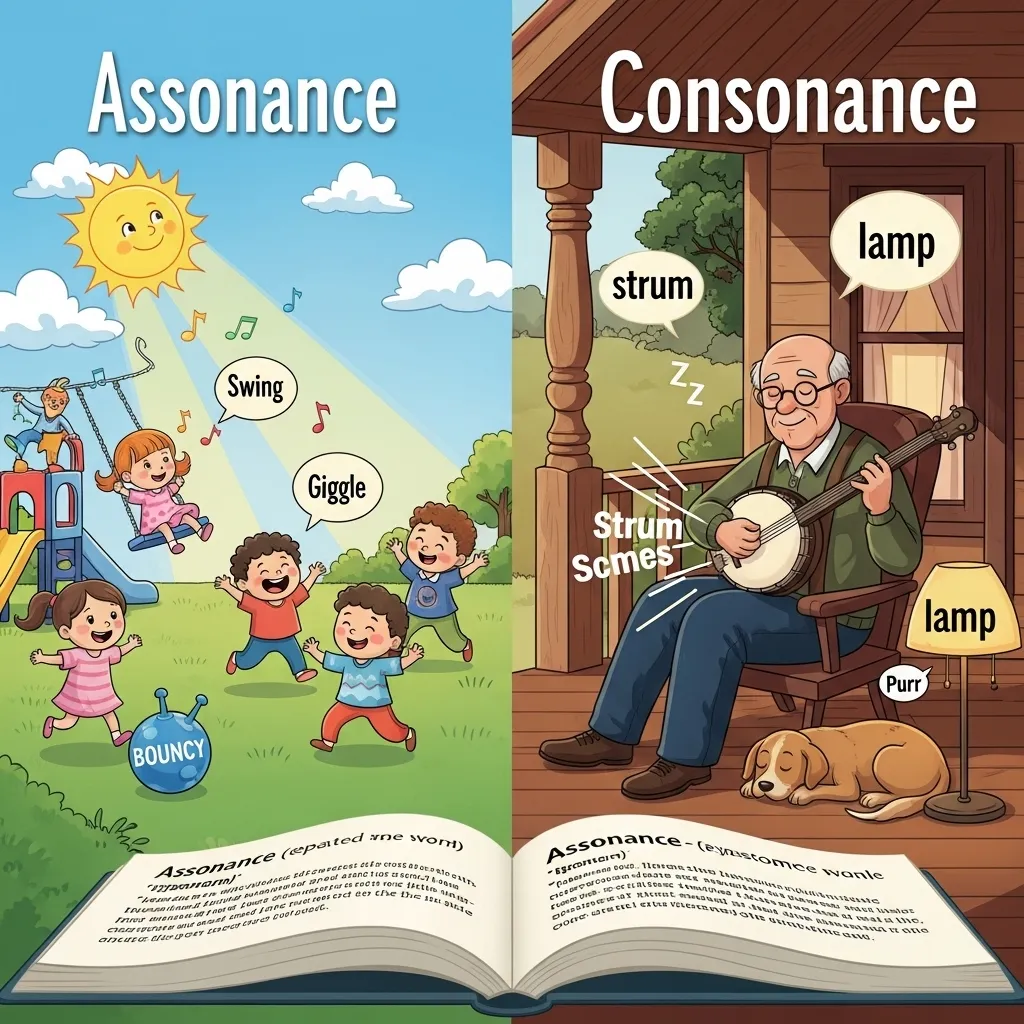
In literature, this harmony is often achieved through assonance and consonance. Assonance focuses on the repetition of vowel sounds, while consonance emphasizes the repetition of consonant sounds. Many budding writers and poetry lovers get confused about these terms.
Understanding the difference between assonance and consonance can elevate your writing, making your poems, prose, or lyrics more melodious. Both are essential tools in the literary world, enhancing imagery, mood, and musicality. By mastering them, writers can create works that resonate deeply with readers and listeners alike.
Pronunciation:
- Assonance: US /ˈæs.ə.nəns/, UK /ˈæs.ə.nəns/
- Consonance: US /ˈkɒn.sə.nəns/, UK /ˈkɒn.sən.əns/
Before diving into the detailed differences, let’s explore their unique characteristics and why writers often confuse them.
Difference Between the Keywords
Here are 10 points of difference between assonance and consonance with examples:
- Sound Type
- Assonance: Repetition of vowel sounds.
Example: “The early bird catches the worm.” (‘ea’ and ‘i’ sounds)
Example: “Try to light the fire.” (‘i’ sound repeated) - Consonance: Repetition of consonant sounds.
Example: “Mike likes his new bike.” (‘k’ sound repeated)
Example: “The lumpy, bumpy road.” (‘mp’ sound repeated)
- Assonance: Repetition of vowel sounds.
- Position of Repeated Sound
- Assonance: Usually in the middle or start of words.
Example: “Hear the mellow wedding bells.”
Example: “I must confess that in my quest I felt depressed.” - Consonance: Can occur anywhere—start, middle, or end.
Example: “Blank and think.”
Example: “He struck a streak of bad luck.”
- Assonance: Usually in the middle or start of words.
- Purpose in Writing
- Assonance: Creates rhythm, mood, and musicality.
Example: “The rain in Spain stays mainly in the plain.”
Example: “Go and mow the lawn.” - Consonance: Adds emphasis and harmony.
Example: “Pitter-patter, the little feet chatter.”
Example: “All’s well that ends well.”
- Assonance: Creates rhythm, mood, and musicality.
- Emphasis on Letters
- Assonance: Vowels are emphasized.
Example: “Fleet feet sweep by sleeping geese.”
Example: “I rose and told him of my woes.” - Consonance: Consonants are emphasized.
Example: “Rap rejects my tape deck, ejects.”
Example: “The black sack is stacked.”
- Assonance: Vowels are emphasized.
- Effect on Mood
- Assonance: Produces smooth and flowing effect.
Example: “Go slow over the road.”
Example: “Hear the mellow wedding bells.” - Consonance: Creates hard, punchy, or dramatic effect.
Example: “The strong string snapped.”
Example: “All’s well that ends well.”
- Assonance: Produces smooth and flowing effect.
- Common in Poetry vs Prose
- Assonance: More common in lyrical poetry.
Example: “Try to light the fire.”
Example: “The rain in Spain stays mainly in the plain.” - Consonance: Appears in both poetry and prose.
Example: “Mike likes his new bike.”
Example: “The lumpy, bumpy road.”
- Assonance: More common in lyrical poetry.
- Repetition Frequency
- Assonance: Less frequent, more subtle.
Example: “The early bird catches the worm.”
Example: “I must confess that in my quest I felt depressed.” - Consonance: Often repeated for emphasis.
Example: “The black sack is stacked.”
Example: “Pitter-patter, the little feet chatter.”
- Assonance: Less frequent, more subtle.
- Sound Harmony
- Assonance: Creates internal harmony.
Example: “Fleet feet sweep by sleeping geese.”
Example: “I rose and told him of my woes.” - Consonance: Produces auditory texture.
Example: “Rap rejects my tape deck, ejects.”
Example: “The strong string snapped.”
- Assonance: Creates internal harmony.
- Usage in Tongue Twisters
- Assonance: Helps in vowel-based repetition.
Example: “How now, brown cow?”
Example: “I like ice, I like rice.” - Consonance: Helps in consonant-based repetition.
Example: “She sells seashells by the seashore.”
Example: “Peter Piper picked a peck of pickled peppers.”
- Assonance: Helps in vowel-based repetition.
- Reader/Listener Impact
- Assonance: Soothes the reader or listener.
Example: “Go and mow the lawn.”
Example: “Hear the mellow wedding bells.” - Consonance: Adds strength, rhythm, and emphasis.
Example: “The strong string snapped.”
Example: “All’s well that ends well.”
Nature and Behaviour of Both
- Assonance: Gentle, smooth, lyrical, often evokes emotion.
- Consonance: Strong, rhythmic, emphatic, and gives weight to words.
Why People Are Confused
Many confuse assonance and consonance because both involve repetition of sounds. However, focusing on vowels (assonance) vs consonants (consonance) clears the confusion.
Difference and Similarity Table
| Feature | Assonance | Consonance | Similarity |
| Sound Type | Vowels | Consonants | Both are sound repetition devices |
| Placement | Middle/start | Anywhere | Both enhance rhythm |
| Effect | Smooth, melodic | Hard, rhythmic | Both create emphasis |
| Frequency | Subtle | Often repeated | Both used in poetry & prose |
| Mood | Soft, flowing | Strong, punchy | Both enhance reader/listener impact |
Which Is Better in What Situation?
- Assonance works best in poetry, songs, and lyrical prose to create soothing, flowing effects.
- Consonance is ideal in drama, storytelling, and prose where emphasis, rhythm, or a punchy impact is needed.
Use in Metaphors and Similes
- Assonance: “Her eyes shone like glowing coals.” (soft vowel repetition)
- Consonance: “The wind whispered through the woods.” (emphasizing consonants for rhythm)
Connotative Meaning
- Assonance: Positive/neutral; evokes smoothness.
Example: “The rain in Spain stays mainly in the plain.” - Consonance: Positive/neutral/negative depending on context; can emphasize tension.
Example: “The strong string snapped.”
Idioms/Proverbs Related
- “Practice makes perfect” – consonance in repetition of ‘p’.
- “A stitch in time saves nine” – consonance, adds rhythm to advice.
Works in Literature
- “The Raven” – Edgar Allan Poe, Poetry, 1845 (consonance)
- “Do Not Go Gentle into That Good Night” – Dylan Thomas, Poetry, 1951 (assonance)
Movies Based on Keywords
- Assonance (2020, UK) – Short film exploring sound in poetry
- Consonance (2018, US) – Experimental drama focusing on auditory textures
FAQs
- What is the key difference?
- Assonance repeats vowels; consonance repeats consonants.
- Assonance repeats vowels; consonance repeats consonants.
- Can they appear together?
- Yes, many poems combine both.
- Yes, many poems combine both.
- Which is more common in songs?
- Assonance for smooth melody.
- Assonance for smooth melody.
- Which is used for emphasis?
- Consonance adds strength and punch.
- Consonance adds strength and punch.
- Are they only for poetry?
- No, they are also effective in prose and speeches.
- No, they are also effective in prose and speeches.
How Both Are Useful for Surroundings
- Enhance rhythm in oral storytelling, music, and advertisements.
- Improve memory retention and listener engagement.
- Create emotional resonance and vivid imagery in literature.
Final Words
Mastering assonance and consonance allows writers to craft vivid, melodic, and impactful works. Recognizing their differences ensures precision in literary expression and enhances reader experience.
Conclusion
In conclusion, assonance and consonance are essential tools in writing and speech. While assonance soothes the reader with vowel repetition, consonance strengthens rhythm and emphasis.
Understanding their difference allows writers to craft effective poetry, prose, and lyrics.When used carefully, both devices improve language, stir emotions, and make works memorable.
Recognizing and applying the correct technique elevates literary creativity and audience engagement, ensuring the intended message resonates deeply. Writers, poets, and language enthusiasts should integrate both strategically for maximum impact.
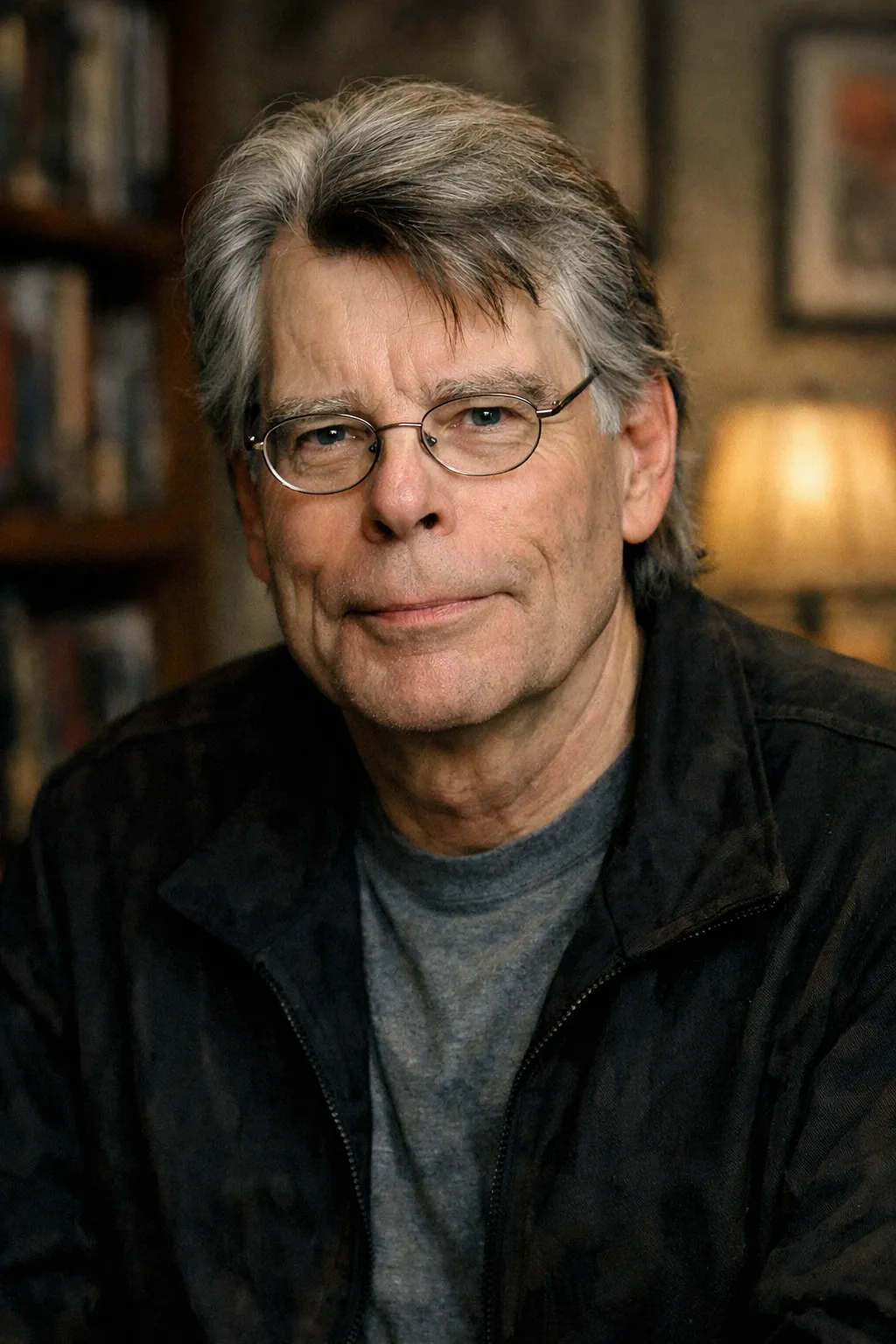
I am Stephen King is a spiritual writer and digital creator dedicated to exploring the deeper meaning behind numbers, synchronicity, and divine guidance. Through his platform, spiritualdigits.com he shares insights on angel numbers, spiritual symbolism, and personal awakening to help readers align with their higher purpose. His work blends intuition, research, and practical wisdom to make spiritual concepts clear, accessible, and transformative.