In today’s digital era, the terms IT (Information Technology) and OT (Operational Technology) are often used interchangeably, yet they serve very different purposes.
Last year, a large manufacturing plant in Karachi faced two simultaneous issues: employees couldn’t access emails due to server failure, and factory machines stopped working due to a control system glitch. The first problem was an Information Technology issue, while the second belonged to Operational Technology.
Understanding the difference between Information Technology and Operational Technology is crucial not only for professionals but also for students, managers, and technology enthusiasts. Knowing this difference ensures better system management, enhanced security, and smoother organizational operations. Pronunciation-wise, IT is pronounced /ˌaɪ ˈtiː/ in both US and UK English, and OT is pronounced /ˌoʊ ˈtiː/ (US) and /ˌəʊ ˈtiː/ (UK).
To fully grasp this, let’s explore the key distinctions, practical applications, and societal importance of IT and OT.
Difference Between the Keywords
1. Primary Function
- IT: Focuses on managing, storing, and processing data.
- Example 1: Email servers manage corporate communication.
- Example 2: Cloud storage keeps company data safe.
- Example 1: Email servers manage corporate communication.
- OT: Controls physical devices, machinery, and processes.
- Example 1: PLCs in a factory automate production lines.
- Example 2: Smart grids control electricity distribution.
- Example 1: PLCs in a factory automate production lines.
2. Core Focus
- IT: Information and data-centric.
- Example 1: Analyzing customer databases.
- Example 2: Running financial software.
- Example 1: Analyzing customer databases.
- OT: Operations and process-centric.
- Example 1: Regulating conveyor belt speed.
- Example 2: Monitoring water treatment systems.
- Example 1: Regulating conveyor belt speed.
3. Network Environment
- IT: Uses secure, standard networks (LAN, WAN, cloud).
- Example 1: Office Wi-Fi for email access.
- Example 2: Remote VPN connections.
- Example 1: Office Wi-Fi for email access.
- OT: Uses industrial networks (SCADA, PLC, IoT).
- Example 1: SCADA system for power plants.
- Example 2: Sensor networks in factories.
- Example 1: SCADA system for power plants.
4. Risk Profile
- IT: Cybersecurity breaches affect data integrity.
- Example 1: Hacker stealing company emails.
- Example 2: Ransomware locking critical files.
- Example 1: Hacker stealing company emails.
- OT: Breaches can affect physical safety.
- Example 1: Malfunctioning robotic arm causing injuries.
- Example 2: Industrial shutdowns due to malware.
- Example 1: Malfunctioning robotic arm causing injuries.
5. Update Frequency
- IT: Frequent updates and patches.
- Example 1: Weekly software patches.
- Example 2: Daily antivirus updates.
- Example 1: Weekly software patches.
- OT: Rare updates due to operational stability needs.
- Example 1: Updating PLC firmware once a year.
- Example 2: SCADA system maintenance quarterly.
- Example 1: Updating PLC firmware once a year.
6. Data Volume
- IT: Handles massive volumes of diverse data.
- Example 1: Company-wide email archives.
- Example 2: Cloud-based analytics dashboards.
- Example 1: Company-wide email archives.
- OT: Handles specialized, real-time process data.
- Example 1: Temperature readings from sensors.
- Example 2: Pressure data in pipelines.
- Example 1: Temperature readings from sensors.
7. System Lifespan
- IT: Shorter hardware/software lifecycle (2-5 years).
- Example 1: Replacing laptops every 3 years.
- Example 2: Upgrading servers every 5 years.
- Example 1: Replacing laptops every 3 years.
- OT: Longer lifespan (10-20 years).
- Example 1: Industrial robots used for 15 years.
- Example 2: Control panels lasting decades.
- Example 1: Industrial robots used for 15 years.
8. Interdependency
- IT: Supports OT systems indirectly via data.
- Example 1: ERP software generates production reports.
- Example 2: IT networks transmit OT monitoring data.
- Example 1: ERP software generates production reports.
- OT: Relies on IT for analytical insights but functions independently.
- Example 1: Factory machines operate autonomously.
- Example 2: Oil refineries run even during IT downtime.
- Example 1: Factory machines operate autonomously.
9. Skills Required
- IT: Coding, networking, database management.
- Example 1: Python developer managing servers.
- Example 2: Network engineer handling VPNs.
- Example 1: Python developer managing servers.
- OT: Engineering, process control, instrumentation.
- Example 1: Mechanical engineer configuring PLCs.
- Example 2: Automation technician troubleshooting sensors.
- Example 1: Mechanical engineer configuring PLCs.
10. Business Impact
- IT: Improves data-driven decision-making.
- Example 1: Marketing campaigns optimized via analytics.
- Example 2: Financial forecasting.
- Example 1: Marketing campaigns optimized via analytics.
- OT: Directly affects production efficiency and safety.
- Example 1: Reducing machine downtime increases output.
- Example 2: Ensuring workplace safety prevents accidents.
- Example 1: Reducing machine downtime increases output.
Nature and Behavior
- IT: Dynamic, flexible, data-oriented, requires constant updates.
- OT: Stable, process-oriented, physically grounded, prioritizes operational continuity.
Why People Are Confused
Many people confuse IT and OT because both involve technology, computers, and networking. The overlap increases in IoT and smart systems, where data meets machinery.
Table: Difference and Similarity Between Information Technology and Operational Technology
| Feature | IT (Information Technology) | OT (Operational Technology) | Similarity |
| Core Focus | Data & information | Physical operations | Both use technology to optimize processes |
| Risk | Cybersecurity | Physical safety & operations | Both require security measures |
| Update Frequency | Frequent | Rare | Both need maintenance |
| Lifespan | 2–5 years | 10–20 years | Both evolve with technological progress |
| Skills Required | Coding, networking | Engineering, process control | Both require technical expertise |
| Network Type | LAN, WAN, Cloud | SCADA, IoT, Industrial networks | Both rely on connectivity |
Which Is Better in What Situation?
Information Technology is better for data management, analytics, communication, and business intelligence. In office environments, IT ensures efficiency, remote connectivity, and accurate reporting.
Operational Technology is better in physical, industrial, or manufacturing environments. It ensures operational continuity, machine safety, and process automation, making it essential for factories, energy plants, and smart cities.
Metaphors, Similes, and Connotation
- Information Technology: Metaphor – “The brain of the organization.” Positive connotation.
- Example: IT is the brain, directing every decision.
- Example: IT is the brain, directing every decision.
- Operational Technology: Metaphor – “The heartbeat of production.” Neutral-positive.
- Example: OT is the heartbeat, keeping machines alive.
- Example: OT is the heartbeat, keeping machines alive.
Idioms/Proverbs Related
- Information Technology: “Knowledge is power” – highlights IT’s role in information.
- Operational Technology: “Well-oiled machine” – represents OT’s smooth operation.
Works in Literature
- “Digital Fortress” by Dan Brown, 1998, Thriller (IT focus)
- “Robopocalypse” by Daniel H. Wilson, 2011, Sci-Fi (OT focus)
Movies
- “The Social Network” (2010, USA) – IT & tech world
- “Transformers” (2007, USA) – Machines & OT theme
FAQs
- What is the main difference between IT and OT?
IT manages data; OT manages machines and physical processes. - Can IT and OT overlap?
Yes, in IoT and smart industrial systems. - Which is more critical for safety?
OT, because it affects physical operations. - Do both need cybersecurity?
Absolutely, though OT focuses on operational safety. - Can IT function without OT?
Yes, but OT usually depends on IT for analytics and reporting.
How Both Are Useful for Surroundings
- Information Technology: Manages energy usage data, environmental sensors, and city planning software.
- Operational Technology: Controls pollution-reducing machines, smart grids, and water treatment plants.
Final Words
Understanding the difference between Information Technology and Operational Technology helps professionals, students, and organizations make informed decisions.
IT drives knowledge, while OT drives action. Both together create a safer, smarter, and more efficient society.
Conclusion
The difference between Information Technology and Operational Technologylies in their function, focus, and impact. While IT revolves around data management, connectivity, and cybersecurity, OT ensures smooth physical operations, machinery control, and workplace safety.
Confusions arise due to technological overlap, but understanding each system’s nature, risks, and applications allows better strategic planning. Information Technology or Operational Technology complement each other: IT analyzes and predicts, while OT executes and controls. For businesses, students, and society at large, recognizing their distinctions ensures optimized productivity, reduced risks, and innovation in industrial and digital ecosystems.
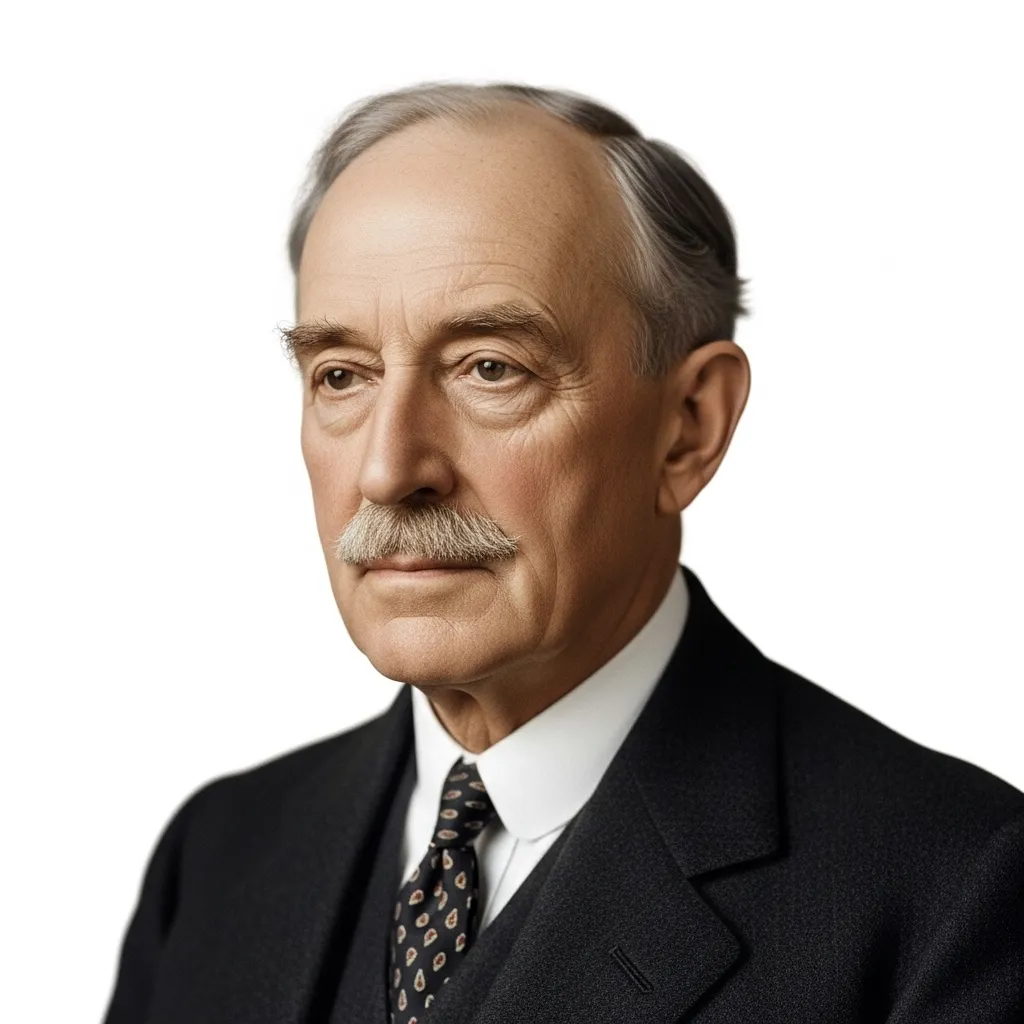
I am E.M. Forster (1879–1970), a renowned English novelist and essayist, famous for A Room with a View, Howards End, and A Passage to India. I explore human relationships, social class, and personal freedom, making my work a key part of 20th-century English literature.