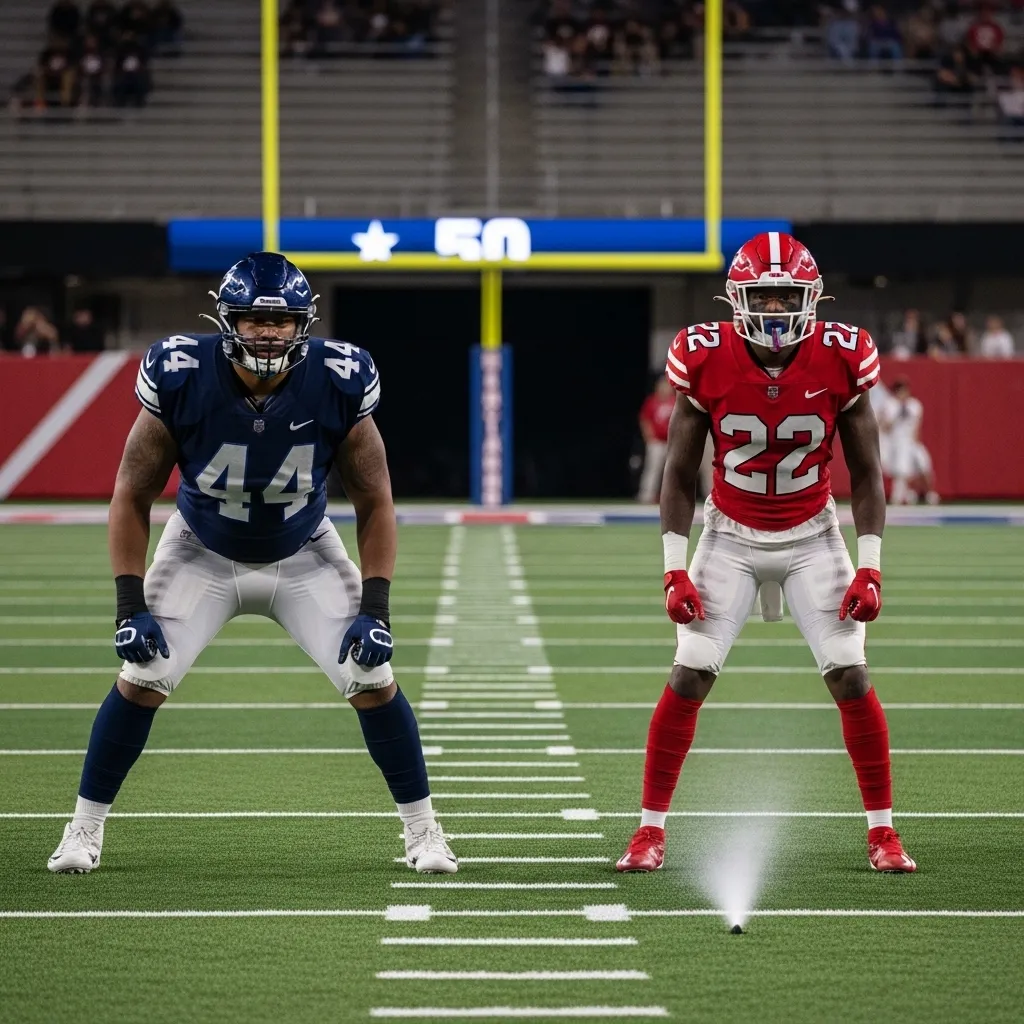
On a chilly Friday night in the United States, a high school football team prepared for the final play of the game. The coach shouted instructions to the fullback to block hard, while the halfback was told to run wide and find space.
For many fans, the difference between fullback and halfback might seem small; they both stand in the backfield and carry the ball. But in reality, the difference between fullback and halfback shapes offensive strategy, teamwork, and game outcomes.
Understanding the difference between fullback and halfback helps players execute better plays and helps fans appreciate the sport more deeply. Whether you are a learner of sports terminology or a football enthusiast, knowing the difference between fullback and halfback adds clarity to the game’s structure and rhythm.
Before diving deeper, let’s first understand how these terms sound and are pronounced.
Pronunciation (US & UK)
- Fullback
- US: /ˈfʊl.bæk/
- UK: /ˈfʊl.bæk/
- Halfback
- US: /ˈhæf.bæk/
- UK: /ˈhɑːf.bæk/
Though they sound similar, their responsibilities differ greatly. Let’s explore how.
Key Difference Between the Both
The main difference lies in their primary function on the field. A fullback is usually a strong blocker who clears the path for others, while a halfback is typically the main ball carrier who runs, catches, and scores. The fullback focuses on power and protection. The halfback focuses on speed and agility.
Why Is Their Difference Necessary to Know for Learners and Experts?
Understanding these roles is important in sports education and professional analysis. Coaches design plays based on the strengths of fullbacks and halfbacks. Sports commentators explain strategies using these terms.
For learners, knowing the roles improves understanding of teamwork and planning. For experts, it sharpens tactical decisions. In society, sports teach discipline, coordination, and leadership roles like fullback and halfback symbolize cooperation and shared responsibility.
Now, let’s move into a detailed comparison.
H2: Difference Between Fullback and Halfback
1. Primary Role
- Fullback: Mainly blocks for the halfback.
- Example 1: The fullback blocked a defender to protect the runner.
- Example 2: He led the way through the defensive line.
- Halfback: Main runner and offensive weapon.
- Example 1: The halfback ran 20 yards for a touchdown.
- Example 2: She caught a short pass and sprinted forward.
2. Physical Build
- Fullback: Bigger and stronger.
- Example 1: He weighed 240 pounds for powerful blocks.
- Example 2: His broad shoulders helped in collisions.
- Halfback: Lighter and faster.
- Example 1: He dodged defenders with quick feet.
- Example 2: She used speed to outrun opponents.
3. Field Position
- Fullback: Stands closer to the quarterback.
- Example 1: He lined up directly behind the QB.
- Example 2: He stayed in the middle lane.
- Halfback: Positioned slightly behind or beside.
- Example 1: He stood a few steps deeper.
- Example 2: He shifted to the side for a sweep play.
4. Ball Handling
- Fullback: Rarely carries the ball.
- Example 1: He ran only in short-yardage plays.
- Example 2: He handled the ball during goal-line attempts.
- Halfback: Frequently carries and catches.
- Example 1: He received handoffs often.
- Example 2: He caught screen passes.
5. Speed Requirement
- Fullback: Moderate speed.
- Halfback: High speed essential.
6. Tactical Importance
- Fullback: Protects and supports.
- Halfback: Attacks and advances.
7. Scoring Role
- Fullback: Less likely to score.
- Halfback: Main scorer.
8. Training Focus
- Fullback: Strength and blocking drills.
- Halfback: Speed and agility training.
9. Risk Level
- Fullback: High physical contact risk.
- Halfback: High injury risk from tackles.
10. Popular Recognition
- Fullback: Less spotlight.
- Halfback: Often star player.
Nature and Behaviour
- Fullback: Selfless, protective, team-oriented.
- Halfback: Dynamic, ambitious, action-focused.
Why Are People Confused?
Both positions start with “back” and play in the backfield. In modern football, especially in leagues like the National Football League, the fullback role has decreased, and halfbacks are sometimes simply called running backs. This overlap creates confusion.
Table: Difference and Similarity
| Aspect | Fullback | Halfback | Similarity |
| Role | Blocker | Runner | Offensive players |
| Build | Strong | Fast | Athletic |
| Position | Near QB | Behind/side | Backfield |
| Scoring | Rare | Frequent | Can score |
| Training | Strength | Agility | Practice teamwork |
Which Is Better in What Situation?
A fullback is better in short-yardage and goal-line situations. When a team needs power and protection, the fullback becomes essential. His blocking opens space and ensures safety for key players.
A halfback is better in open-field situations. When speed and creativity are needed, the halfback shines. In long plays, passing situations, or outside runs, the halfback’s agility makes the difference.
Metaphors and Similes
- “He is the fullback of the company,” meaning a strong supporter.
- “She runs like a halfback,” meaning fast and strategic.
Connotative Meanings
- Fullback: Positive (strength, loyalty), Neutral in general use.
- Example: “He plays the fullback role in our family.”
- Halfback: Positive (speed, brilliance), Sometimes competitive tone.
- Example: “She is the halfback of our project team.”
Idioms or Proverbs
There are no common English idioms directly using these words, but sports expressions include:
- “Carry the ball” – Take responsibility.
- “Lead the way” – Guide others.
Example: “He carried the ball for the team project.”
Works in Literature
- Friday Night Lights (Sports Non-fiction, H. G. Bissinger, 1990)
- Paper Lion (Memoir, George Plimpton, 1966)
Movies Related to Football
- The Blind Side (2009, USA)
- Remember the Titans (2000, USA)
Five Frequently Asked Questions
1. Is a fullback the same as a running back?
No, a fullback is a type of running back but mainly blocks.
2. Who scores more?
Halfbacks usually score more touchdowns.
3. Which position is more physical?
Fullback involves more direct blocking contact.
4. Are both still used in modern football?
Yes, but fullbacks are less common now.
5. Can a player switch roles?
Yes, depending on skills and strategy.
How Both Are Useful for Surroundings
Both positions teach cooperation. The fullback shows the value of support roles. The halfback shows leadership in action. Together, they reflect balance in societystrength plus speed, support plus ambition.
Final Words for the Both
The fullback represents power and protection.
The halfback represents motion and opportunity.
Both are vital in shaping offensive success.
Conclusion
The difference between fullback and halfback may seem technical, but it carries strategic importance. One focuses on blocking and strength; the other on running and scoring.
Together, they form a balanced offensive system. Understanding their distinction improves sports knowledge, teamwork skills, and appreciation of football tactics. Whether you are a student, analyst, or fan, recognizing these roles deepens your connection to the game and highlights how collaboration leads to victory.

I am Stephen King is a spiritual writer and digital creator dedicated to exploring the deeper meaning behind numbers, synchronicity, and divine guidance. Through his platform, spiritualdigits.com he shares insights on angel numbers, spiritual symbolism, and personal awakening to help readers align with their higher purpose. His work blends intuition, research, and practical wisdom to make spiritual concepts clear, accessible, and transformative.