One summer evening, a group of friends walked into a small diner in Chicago and ordered cold drinks.
One asked for a shake, another confidently said, “Make mine a malt!” The waiter smiled, knowing the subtle yet important difference between malt and shake.
While both drinks look similarly thick, creamy, and served with a straw the difference between malt and shake lies in one special ingredient and the flavor experience it creates.
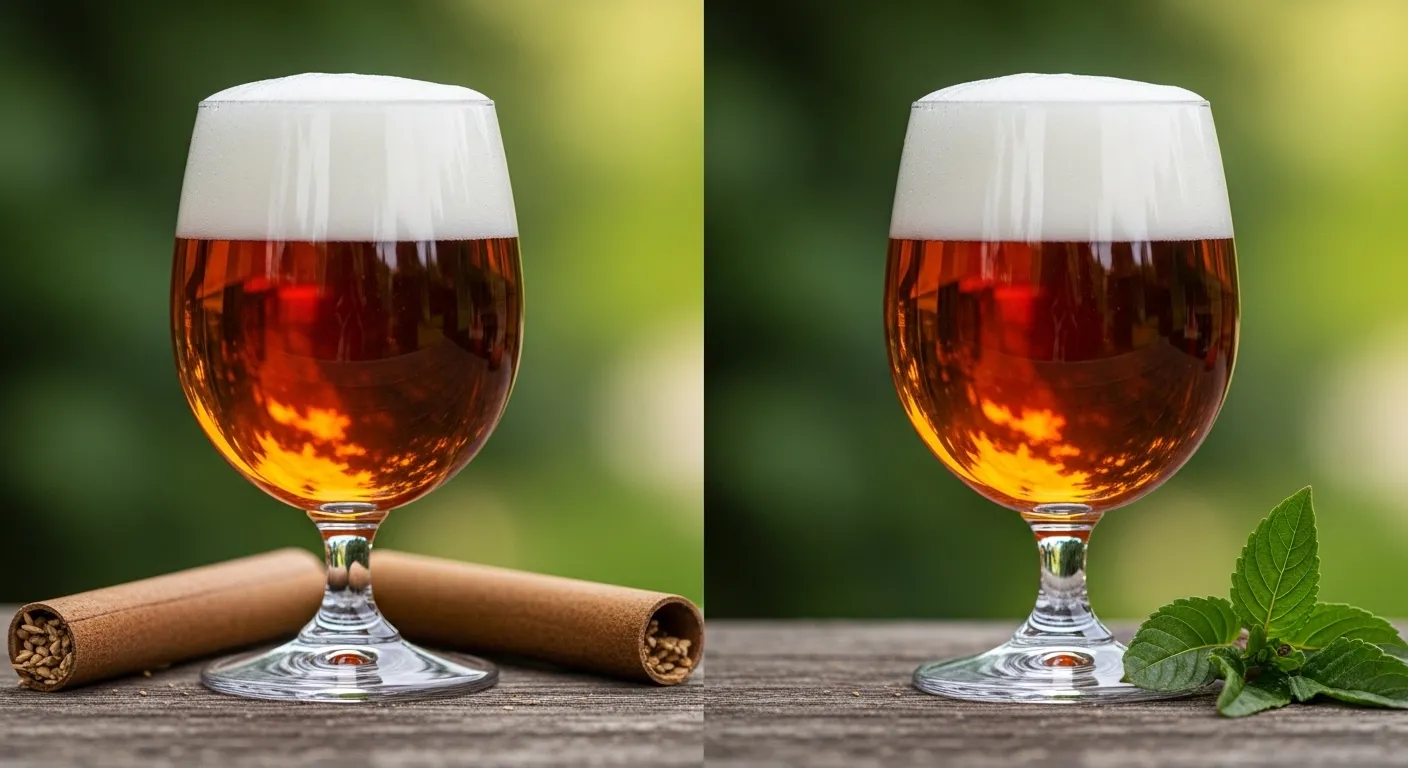
A shake is typically a blend of ice cream and milk. A malt, on the other hand, includes malted milk powder, giving it a slightly nutty and toasted taste.
Understanding the difference between malt and shake helps food lovers order wisely. Whether at a retro diner or a modern café, knowing the difference between malt and shake adds flavor to your knowledge and confidence.
Key Difference Between the Both
The main difference is malted milk powder.
- A shake = Ice cream + Milk
- A malt = Ice cream + Milk + Malted milk powder
That small addition changes the taste, texture, and overall experience.
Why Is Their Difference Necessary to Know for Learners and Experts?
Understanding the difference between malt and shake is important because:
- It improves culinary knowledge.
- It helps in accurate food ordering.
- It benefits restaurant professionals and chefs.
- It enhances appreciation of traditional American diner culture.
- It supports food bloggers and content creators in writing correctly.
In society, food vocabulary reflects cultural identity. Knowing the difference between malt and shake shows awareness of culinary traditions and consumer preferences.
Pronunciation (US & UK)
| Word | US Pronunciation | UK Pronunciation |
| Malt | /mɔːlt/ | /mɒlt/ |
| Shake | /ʃeɪk/ | /ʃeɪk/ |
Before diving deeper, let’s explore the detailed comparison to fully understand how these two drinks differ in ingredients, taste, texture, and cultural value.
Difference Between Malt and Shake
1. Ingredients
- Shake: Contains milk and ice cream.
- Example 1: Vanilla shake with whole milk.
- Example 2: Chocolate shake with skim milk.
- Example 1: Vanilla shake with whole milk.
- Malt: Contains milk, ice cream, and malted milk powder.
- Example 1: Chocolate malt with barley malt powder.
- Example 2: Strawberry malt with extra malt scoop.
- Example 1: Chocolate malt with barley malt powder.
2. Taste
- Shake: Sweet and creamy.
- Example 1: Oreo shake tastes sugary.
- Example 2: Mango shake tastes fruity.
- Example 1: Oreo shake tastes sugary.
- Malt: Slightly nutty and rich.
- Example 1: Chocolate malt tastes toasted.
- Example 2: Vanilla malt has a cereal-like flavor.
- Example 1: Chocolate malt tastes toasted.
3. Texture
- Shake: Smooth and thick.
- Example 1: Thick enough to sip slowly.
- Example 2: Soft consistency.
- Example 1: Thick enough to sip slowly.
- Malt: Slightly thicker and grainier.
- Example 1: Malt powder adds density.
- Example 2: Heavier mouthfeel.
- Example 1: Malt powder adds density.
4. Nutritional Value
- Shake: High in sugar and calories.
- Example 1: Fast-food milkshake.
- Example 2: Dessert-style shake.
- Example 1: Fast-food milkshake.
- Malt: Contains additional carbohydrates from malt.
- Example 1: Traditional malt drink.
- Example 2: Protein-enriched malt.
- Example 1: Traditional malt drink.
5. Historical Background
- Shake: Popularized in early American diners.
- Example 1: 1950s soda fountains.
- Example 2: Classic burger joints.
- Example 1: 1950s soda fountains.
- Malt: Originated from malted milk beverages in the 19th century.
- Example 1: Health tonics.
- Example 2: Old pharmacy drinks.
- Example 1: Health tonics.
6. Aroma
- Shake: Smells like ice cream flavor.
- Example 1: Chocolate aroma.
- Example 2: Strawberry scent.
- Example 1: Chocolate aroma.
- Malt: Has a roasted grain smell.
- Example 1: Toasted barley aroma.
- Example 2: Slight cereal fragrance.
- Example 1: Toasted barley aroma.
7. Popularity
- Shake: More common worldwide.
- Example 1: Found in global fast-food chains.
- Example 2: Street cafés.
- Example 1: Found in global fast-food chains.
- Malt: Popular in traditional American diners.
- Example 1: Retro restaurants.
- Example 2: Classic soda fountains.
- Example 1: Retro restaurants.
8. Cost
- Shake: Usually cheaper.
- Example 1: Basic vanilla shake.
- Example 2: Simple fruit shake.
- Example 1: Basic vanilla shake.
- Malt: Slightly more expensive.
- Example 1: Extra ingredient cost.
- Example 2: Premium diner item.
- Example 1: Extra ingredient cost.
9. Preparation
- Shake: Blend milk and ice cream.
- Example 1: 2-minute blend.
- Example 2: Home kitchen recipe.
- Example 1: 2-minute blend.
- Malt: Blend milk, ice cream, and malt powder.
- Example 1: Add one spoon malt.
- Example 2: Double malt option.
- Example 1: Add one spoon malt.
10. Cultural Identity
- Shake: Symbol of modern fast food.
- Example 1: Teen hangouts.
- Example 2: Movie snacks.
- Example 1: Teen hangouts.
- Malt: Symbol of vintage American culture.
- Example 1: 1950s diners.
- Example 2: Retro soda shops.
- Example 1: 1950s diners.
Nature and Behaviour
- Shake: Light, sweet, playful, modern.
- Malt: Rich, nostalgic, slightly complex, traditional.
Why Are People Confused About Their Use?
People are confused because both drinks look almost identical. Restaurants sometimes use the words interchangeably. The visual similarity and shared base ingredients blur the distinction.
Table: Difference and Similarity Between Malt and Shake
| Feature | Shake | Malt | Similarity |
| Base Ingredient | Ice cream + Milk | Ice cream + Milk | Both dairy drinks |
| Extra Ingredient | None | Malt powder | Served cold |
| Taste | Sweet | Nutty-sweet | Creamy |
| Texture | Smooth | Slightly thicker | Thick beverage |
| Popularity | Global | Traditional USA | Dessert drink |
Which Is Better in What Situation?
A shake is better when you want a simple, sweet, and refreshing drink. It is perfect for children, summer afternoons, and quick desserts. If you prefer fruity or chocolate flavors without extra complexity, a shake is ideal.
A malt is better when you enjoy deeper, toasted flavors. It suits adults who appreciate classic diner drinks. If you want something nostalgic and slightly richer, a malt is the better choice.
How the Words Are Used in Metaphors and Similes
- “Her confidence didn’t shake.” (Meaning: remain steady.)
- “He felt shaken after the news.” (Emotional impact.)
- “Opportunities are the malt of success.” (Foundation ingredient metaphor.)
Connotative Meaning
Malt
- Positive: Nostalgia, richness (Example: “A malt of memories.”)
- Neutral: Grain product
- Negative: Rarely negative
Shake
- Positive: Excitement (“A fresh start gives life a shake.”)
- Negative: Instability (“The crisis caused a shake in the market.”)
- Neutral: Physical movement
Idioms and Proverbs
- “Shake things up” Bring change.
- Example: The new manager will shake things up.
- Example: The new manager will shake things up.
- “Fair shake” Equal chance.
- Example: Everyone deserves a fair shake.
- Example: Everyone deserves a fair shake.
(Malt has fewer idiomatic uses.)
Works in Literature
- “Malt” Poem in Children’s Poetry, by Ogden Nash (1931).
- Malted drinks referenced in The Great Gatsby (Novel, F. Scott Fitzgerald, 1925).
Movies Related to Shake
- Milkshake USA (2000).
- Bring It On USA (features milkshake diner scenes).
FAQs
1. Is a malt sweeter than a shake?
Usually no. Malt tastes nuttier, not sweeter.
2. Can I make a malt at home?
Yes, just add malted milk powder.
3. Do all restaurants serve malts?
No, mostly traditional diners.
4. Is malt healthier than a shake?
Both are desserts and high in calories.
5. Why does malt taste different?
Because of malted barley powder.
How Both Are Useful for Surroundings
Shakes and malts bring people together in social settings. They support the dairy industry and small cafés. Both are part of food culture and hospitality businesses.
Final Words for Both
A shake represents simplicity and sweetness.
A malt represents tradition and depth of flavor.
Conclusion
Understanding the difference between malt and shake helps you appreciate foodculture more deeply.
Though they share similar ingredients and appearance, the addition of malted milk powder creates a unique taste and identity.
A shake is sweet and modern, while a malt is nostalgic and rich. Both drinks have their place in society, restaurants, and family memories. By knowing their differences, you can order confidently and enjoy your dessert with greater awareness.

I am James Anderson an English author known for his insightful and engaging writing in contemporary literature. With a focus on [insert genre, e.g., fiction, non-fiction, or specific themes], he explores complex human emotions and social dynamics, blending thought-provoking ideas with accessible storytelling. His work has earned recognition for its clarity, depth, and ability to connect with a wide audience, establishing him as a respected voice in modern English literature.