Imagine a young professional named Sara who has been struggling with stress and anxiety because of her demanding job. One day she decides to seek help, but she becomes confused while searching online.
Should she visit a psychotherapist or a psychologist? Many people face the same dilemma because they are not sure about the difference between psychotherapist and psychologist.A psychotherapist is a professional who helps people manage emotional and mental problems mainly through therapeutic conversations and counseling techniques.
A psychologist, on the other hand, studies human behavior and mental processes and may also diagnose psychological conditions using scientific methods and assessments. Understanding the difference between psychotherapist and psychologist helps people choose the right professional for their needs.
In fact, knowing the difference between psychotherapist and psychologist is important not only for patients but also for students and professionals in mental health. Once you clearly understand the difference between psychotherapist and psychologist, selecting the right support becomes much easier.
Key Difference Between Psychotherapist and Psychologist
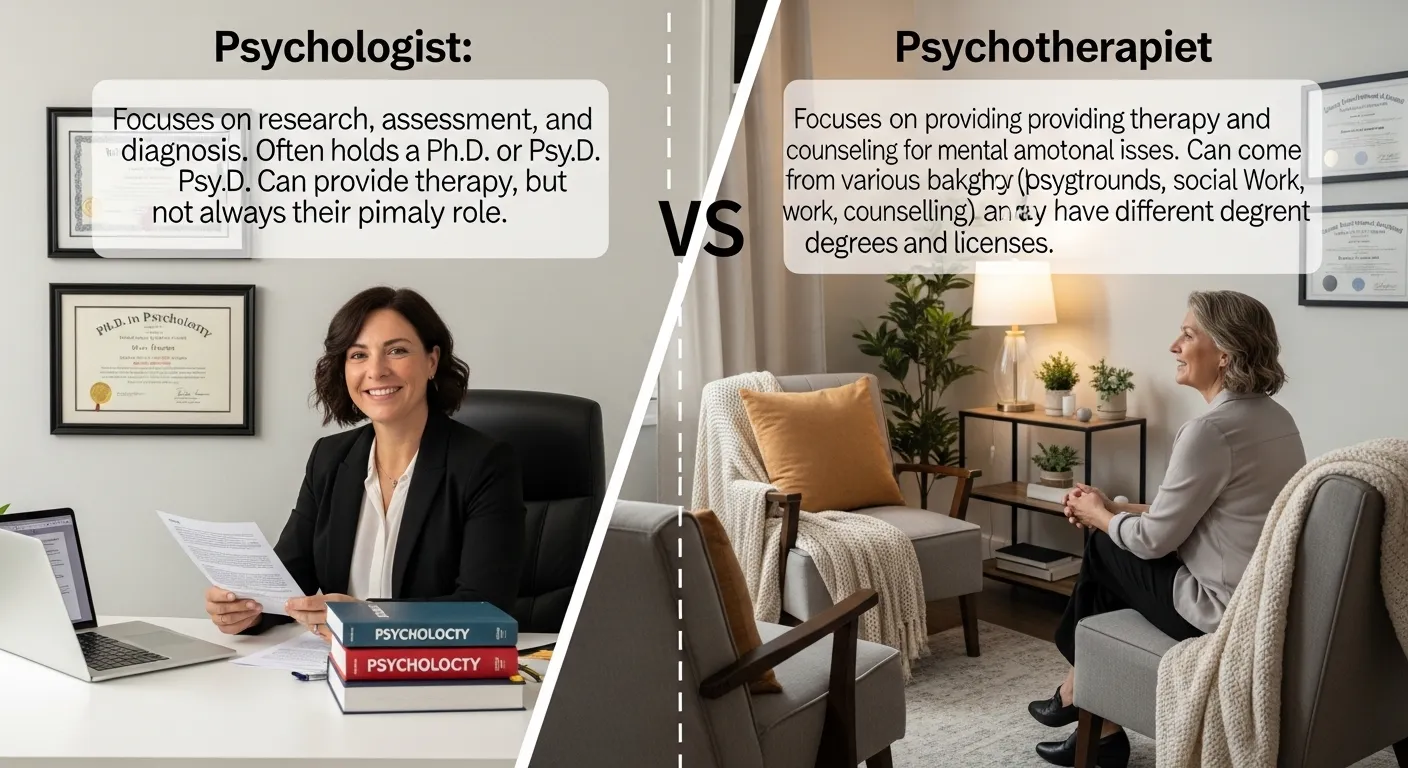
The key difference lies in training and scope of practice. A psychologist usually holds advanced academic degrees in psychology and often focuses on research, diagnosis, and psychological testing, while a psychotherapist mainly focuses on providing therapy to help people cope with emotional or behavioral problems.
Why Is Their Difference Important for Learners and Experts?
Understanding the difference between psychotherapist and psychologist is essential in modern society where mental health awareness is increasing. Students studying psychology need to clearly distinguish between these roles because their education paths and career responsibilities differ. Experts in healthcare must also understand these differences to guide patients toward the right professional.
For society, the distinction is important because people experiencing stress, trauma, depression, or relationship issues need the correct type of support. When individuals understand who to approach, they receive effective help faster. Therefore, learning the difference between psychotherapist and psychologist contributes to better mental health care and informed decision-making in communities.
Pronunciation
Psychotherapist
- US: /ˌsaɪ-koʊ-ˈθer-ə-pɪst/
- UK: /ˌsaɪ-kəʊ-ˈθer-ə-pɪst/
Psychologist
- US: /saɪ-ˈkɑː-lə-dʒɪst/
- UK: /saɪ-ˈkɒl-ə-dʒɪst/
Linking Hook
Now that we understand the basic idea behind these professions, let’s explore the difference between psychotherapist and psychologist in detail to clearly see how their roles and responsibilities vary.
Difference Between Psychotherapist and Psychologist

1. Educational Background
A psychologist usually completes a doctoral degree (PhD or PsyD) in psychology, focusing on research and clinical training.
A psychotherapist may come from different educational backgrounds such as counseling, social work, or psychology.
Examples:
- A clinical psychologist conducts research on depression.
- A psychotherapist with a counseling degree provides weekly therapy sessions.
2. Focus of Work
Psychologists focus on understanding behavior, mental processes, and diagnosis. Psychotherapists focus mainly on therapy and emotional healing.
Examples:
- A psychologist studies patterns of anxiety disorders.
- A psychotherapist helps a patient talk through trauma.
3. Diagnostic Role
Psychologists are trained to perform psychological testing and diagnose mental disorders. Psychotherapists may provide therapy but not always formal diagnosis.
Examples:
- A psychologist administers IQ tests.
- A psychotherapist focuses on coping strategies.
4. Research Involvement
Psychologists often conduct academic or scientific research. Psychotherapists typically focus more on practical therapy sessions.
Examples:
- A psychologist publishes research papers.
- A psychotherapist works directly with clients daily.
5. Therapy Methods
Psychotherapists specialize in therapy methods such as cognitive behavioral therapy (CBT). Psychologists may combine therapy with assessments.
Examples:
- A psychotherapist practices CBT for anxiety.
- A psychologist combines testing with therapy.
6. Workplace
Psychologists may work in universities, hospitals, or research centers. Psychotherapists commonly work in clinics or private practices.
Examples:
- A psychologist teaches at a university.
- A psychotherapist runs a counseling clinic.
7. Licensing Requirements
Both require licenses, but the licensing standards differ depending on the profession and country.
Examples:
- A psychologist passes professional board exams.
- A psychotherapist completes therapy certification.
8. Approach to Treatment
Psychologists may analyze behavior scientifically, while psychotherapists focus more on emotional conversation and guidance.
Examples:
- A psychologist analyzes behavioral patterns.
- A psychotherapist encourages self-reflection.
9. Scope of Practice
Psychologists may specialize in areas such as clinical, educational, or forensic psychology. Psychotherapists mainly focus on therapeutic counseling.
Examples:
- A forensic psychologist works with courts.
- A psychotherapist helps couples resolve conflicts.
10. Client Interaction
Psychotherapists usually have more frequent therapy sessions with clients, while psychologists may divide their time between research and therapy.
Examples:
- A psychotherapist sees clients daily.
- A psychologist conducts assessments occasionally.
Nature and Behaviour of Both
Psychotherapist
Psychotherapists usually show empathy, patience, and strong listening skills. Their nature focuses on emotional support and helping clients process feelings through guided conversations.
Psychologist
Psychologists tend to be analytical and research-oriented. Their behavior often involves evaluating patterns in human behavior and applying scientific methods to understand mental processes.
Why People Are Confused About Their Use
People often confuse these roles because both professionals work in mental health and both may offer therapy sessions.
In everyday conversation, the terms are sometimes used interchangeably. Additionally, some psychologists also practice psychotherapy, which blurs the distinction for the general public.
Table Showing Difference and Similarity
| Aspect | Psychotherapist | Psychologist | Similarity |
| Main Focus | Therapy and counseling | Study of behavior and diagnosis | Both deal with mental health |
| Education | Counseling or therapy training | Doctoral degree in psychology | Professional training required |
| Work Style | Emotional support | Scientific analysis | Help people improve wellbeing |
| Workplace | Clinics or private practice | Universities, hospitals | Work with clients |
| Methods | Therapy techniques | Testing and research | Use psychological knowledge |
Which Is Better in What Situation?
Psychotherapist
A psychotherapist is better when someone needs emotional support, relationship counseling, or help coping with trauma, stress, or personal issues.
Their focus on therapeutic conversations makes them ideal for ongoing counseling sessions.
Psychologist
A psychologist is more suitable when someone requires psychological testing, formal diagnosis, or scientific evaluation of mental conditions. They are also helpful in research and academic fields.
Use in Metaphors and Similes
- “She became the psychotherapist of the group, listening to everyone’s problems.”
- “He analyzed the situation like a psychologist studying human behavior.”
These expressions show how the words symbolize listening and analysis.
Connotative Meaning
Psychotherapist
- Positive: emotional healer
- Example: “She acted like a psychotherapist for her stressed friend.”
- Example: “She acted like a psychotherapist for her stressed friend.”
- Neutral: therapy professional
Psychologist
- Positive: intelligent analyst
- Example: “He approached the conflict like a psychologist.”
- Example: “He approached the conflict like a psychologist.”
- Neutral: behavior expert
Idioms or Proverbs Related to the Words
Although no direct idioms exist, related expressions are used.
1. “A problem shared is a problem halved.”
Example: Talking to a psychotherapist can reduce emotional burden.
2. “Know thyself.”
Example: A psychologist helps people understand themselves.
Works in Literature
Psychotherapist
- Love’s Executioner Genre: Psychology essays Writer: Irvin D. Yalom 1989
Psychologist
- Man’s Search for Meaning Genre: Psychological memoir Writer: Viktor Frankl 1946
Movies Related to the Topic
Psychotherapist
- Good Will Hunting 1997 USA
- Ordinary People 1980 USA
Psychologist
- A Dangerous Method 2011 UK/Canada
- Spellbound 1945 USA
Frequently Asked Questions
1. Is a psychotherapist the same as a psychologist?
No, a psychotherapist mainly provides therapy, while a psychologist studies and diagnoses mental behavior.
2. Can a psychologist also be a psychotherapist?
Yes, many psychologists are trained in psychotherapy.
3. Who should I visit for emotional counseling?
A psychotherapist is usually the best choice.
4. Who performs psychological tests?
Psychologists are trained to conduct such tests.
5. Do both professionals help with mental health?
Yes, both support mental wellbeing but in different ways.
How Both Are Useful for Surroundings
Both professionals contribute significantly to society. Psychotherapists help individuals overcome emotional struggles, which improves family and workplace relationships.
Psychologists advance knowledge about human behavior through research and diagnostics. Together, they promote healthier communities and better mental health awareness.
Final Words for Both
Psychotherapists focus on healing emotional wounds through therapy, while psychologists explore the science of human behavior and mental processes.
Conclusion
Understanding the difference between psychotherapist and psychologist is important for anyone interested in mental health. While both professionals aim to improve psychological wellbeing, their methods and training differ.
Psychotherapists primarily help individuals through therapeutic conversations and emotional support, whereas psychologists focus on studying, diagnosing, and understanding human behavior using scientific approaches.
Knowing the difference between psychotherapist and psychologist allows people to seek the right type of help when dealing with emotional or mental challenges. In a world where mental health awareness continues to grow, recognizing the distinct roles of these professionals ensures better treatment, informed choices, and healthier communities.
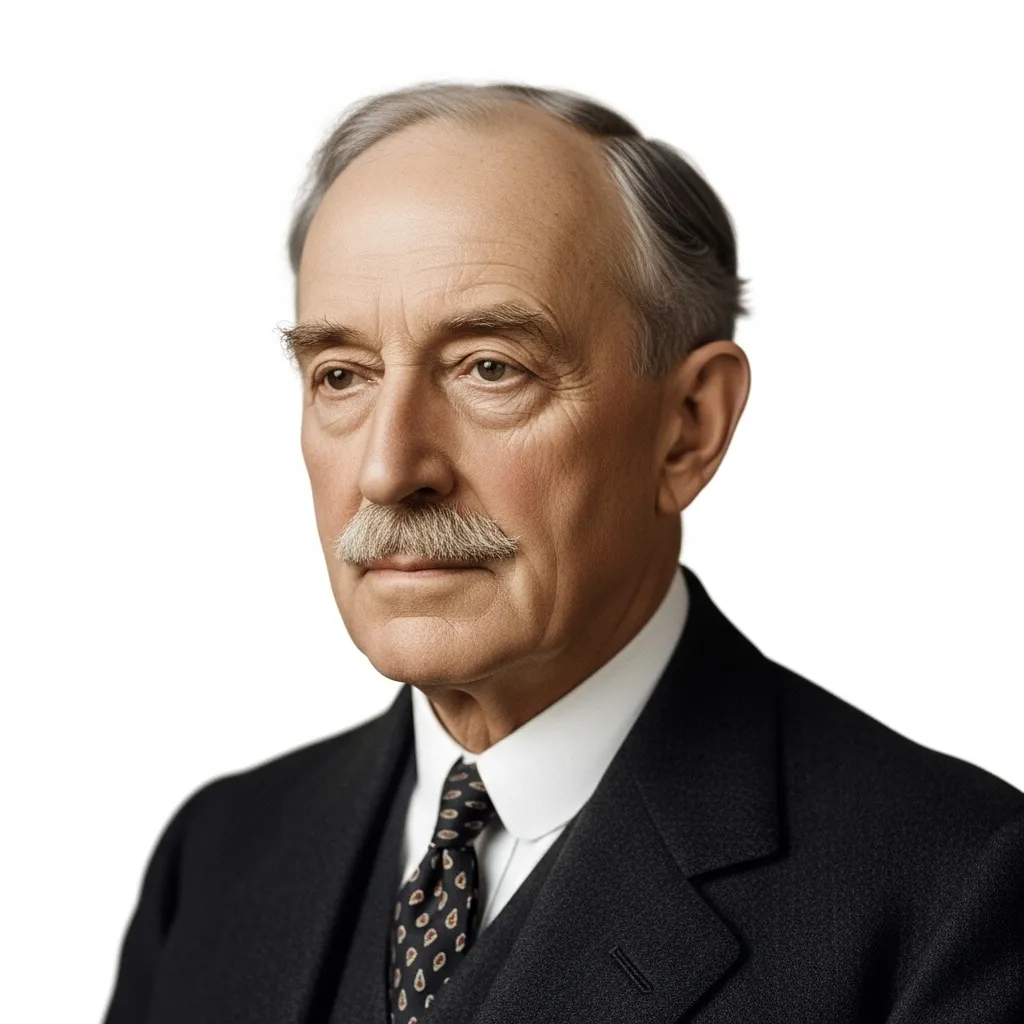
I am E.M. Forster (1879–1970), a renowned English novelist and essayist, famous for A Room with a View, Howards End, and A Passage to India. I explore human relationships, social class, and personal freedom, making my work a key part of 20th-century English literature.