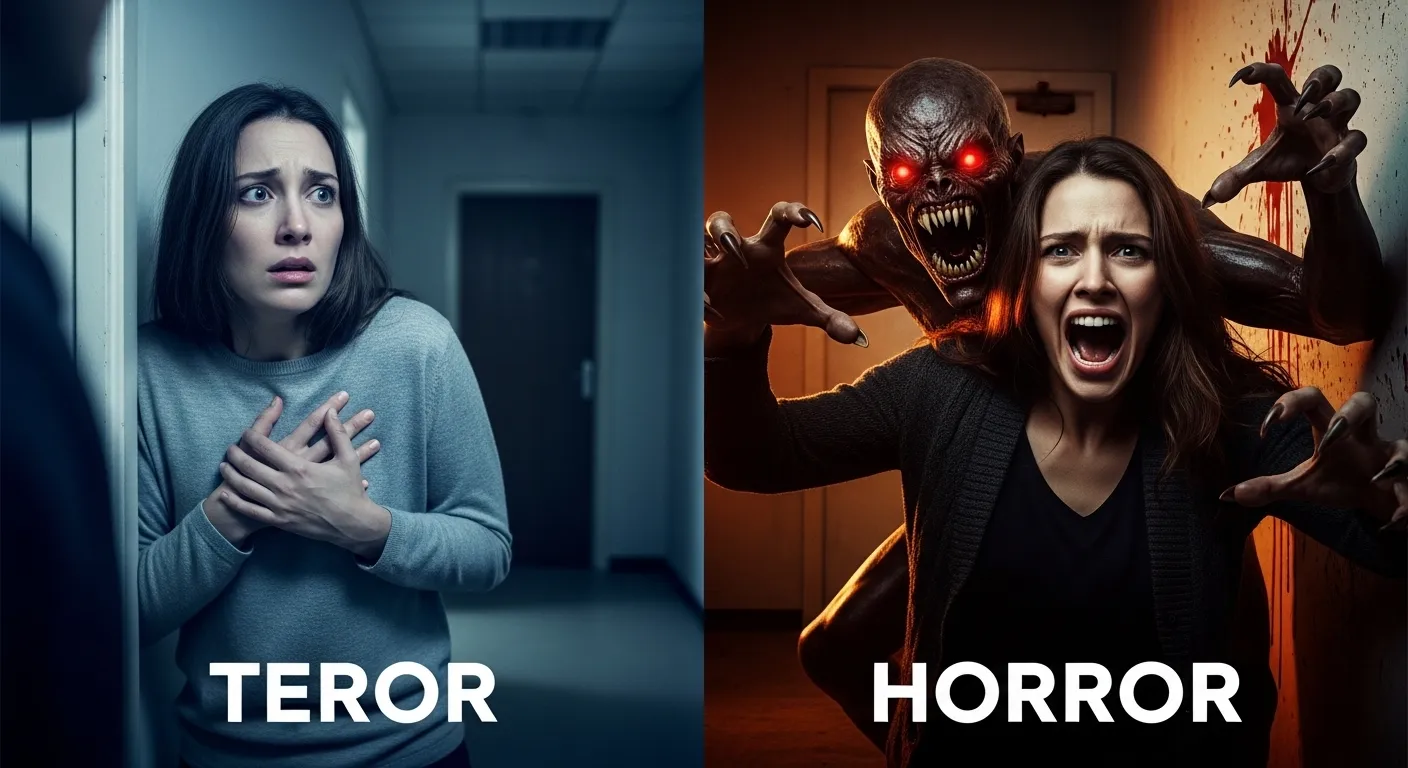
Late one night, a family hears slow footsteps outside their house. The lights flicker. No one knows who or what is there. Their hearts race. That feeling of fearful anticipation is terror.
Now imagine they open the door and see something shocking and disturbing. That sudden reaction of disgust and shock is horror.Understanding the difference between terror and horror helps us see how fear works in real life and storytelling.
The difference between terror and horror is not just about being scared; it is about how we experience fear. Many writers, filmmakers, and psychologists study the difference between terror and horror to create powerful emotional effects.
When we explore the difference between terror and horror, we learn that one builds suspense while the other delivers shock. This subtle contrast shapes literature, cinema, and even everyday language.
Pronunciation (US & UK)
- Terror
- US: /ˈter.ɚ/
- UK: /ˈter.ə/
- Horror
- US: /ˈhɔːr.ɚ/
- UK: /ˈhɒr.ə/
Fear is a universal emotion, but its shades are complex. To fully understand this emotional spectrum, let us explore the detailed difference between these two powerful words.
Difference Between Terror and Horror
Here are 10 clear points of difference, explained separately with two simple examples for each.
1. Definition
Terror is intense fear caused by anticipation.
- Example 1: Waiting for exam results.
- Example 2: Hearing strange noises in the dark.
Horror is fear mixed with shock or disgust.
- Example 1: Seeing a serious accident.
- Example 2: Watching a violent scene unexpectedly.
2. Timing of Fear
Terror happens before the scary event.
- Example 1: Climbing a shaky ladder.
- Example 2: Hearing footsteps behind you.
Horror happens after seeing something frightening.
- Example 1: Seeing a ghost suddenly.
- Example 2: Discovering a dead body in a story.
3. Emotional Nature
Terror creates anxiety and suspense.
- Example 1: A child lost in a market.
- Example 2: Waiting for medical test results.
Horror creates shock and revulsion.
- Example 1: Seeing blood unexpectedly.
- Example 2: A shocking betrayal.
4. Physical Reaction
Terror makes the heart beat faster.
- Example 1: Sweaty palms before a speech.
- Example 2: Shaking before a storm hits.
Horror may cause screaming or freezing.
- Example 1: Jumping at a sudden scream.
- Example 2: Feeling numb after bad news.
5. In Literature
Terror builds suspense gradually.
- Example 1: Dracula by Bram Stoker
- Example 2: The Turn of the Screw by Henry James
Horror shows shocking or disturbing scenes.
- Example 1: Frankenstein by Mary Shelley
- Example 2: It by Stephen King
6. In Movies
Terror uses suspenseful music and slow scenes.
- Example 1: The Conjuring
- Example 2: A Quiet Place
Horror uses shocking visuals.
- Example 1: The Exorcist
- Example 2: Saw
7. Psychological Impact
Terror affects imagination.
- Example 1: Fear of unknown diseases.
- Example 2: Fear of future failure.
Horror affects senses directly.
- Example 1: Seeing a crime scene.
- Example 2: Watching disturbing news footage.
8. Duration
Terror lasts longer.
- Example 1: Weeks before exams.
- Example 2: Days before surgery.
Horror is usually short but intense.
- Example 1: Sudden loud explosion.
- Example 2: Unexpected scream in a film.
9. Focus
Terror focuses on possibility.
- Example 1: Fear something may go wrong.
- Example 2: Waiting for danger to appear.
Horror focuses on reality.
- Example 1: Seeing actual damage.
- Example 2: Witnessing violence.
10. Purpose in Storytelling
Terror keeps readers curious.
- Example 1: Mystery novels.
- Example 2: Suspense dramas.
Horror shocks readers strongly.
- Example 1: Graphic novels.
- Example 2: Slasher films.
Nature and Behaviour
Terror is psychological and anticipatory. It grows slowly and feeds on imagination.
Horror is visual and immediate. It attacks the senses and causes shock.
Why Are People Confused About Their Use?
People often use both words as synonyms because both describe strong fear. In daily language, the difference is subtle. Movies and media also mix suspense and shock together, which blurs the line between terror and horror.
Table: Difference and Similarity
| Aspect | Terror | Horror | Similarity |
| Meaning | Fear of what may happen | Fear from what is seen | Both express intense fear |
| Timing | Before event | After event | Emotional reaction |
| Nature | Psychological | Visual/Sensory | Strong emotion |
| Duration | Long-lasting | Short but intense | Can cause stress |
| Usage | Suspense stories | Shock scenes | Used in thrillers |
Which is Better in What Situation?
Terror is better in situations where suspense and imagination are needed. In storytelling, it builds tension and keeps the audience thinking. Writers use terror to create deep psychological impact. In real life, terror can help people stay alert before danger appears. It prepares the mind for action.
Horror is better when the goal is to create immediate emotional shock. In films or novels, horror leaves a strong impression. It makes scenes unforgettable. In social awareness campaigns, horror images may be used to show the seriousness of an issue. However, too much horror can disturb sensitive audiences.
Metaphors and Similes
- “Her voice was a whisper of terror.”
- “The news hit him like horror in broad daylight.”
- “Fear spread like terror in the village.”
- “The scene was horror frozen in time.”
Connotative Meaning
- Terror: Mostly negative, sometimes neutral (used in expressions like “reign of terror”).
- Example: “The storm brought terror to the town.”
- Horror: Strongly negative.
- Example: “She looked at the mess in horror.”
Idioms / Proverbs
- “Frozen with terror.” (He stood frozen with terror.)
- “Strike terror into someone’s heart.” (The loud roar struck terror into the crowd.)
- “To someone’s horror.” (To her horror, she missed the train.)
- “In horror of something.” (He lives in horror of failure.)
Works in Literature
- Dracula – Gothic fiction – Bram Stoker – 1897
- Frankenstein – Gothic novel – Mary Shelley – 1818
- It – Horror fiction – Stephen King – 1986
- The Turn of the Screw – Ghost story – Henry James – 1898
Movies
- The Exorcist – 1973 – USA
- Saw – 2004 – USA
- The Conjuring – 2013 – USA
- A Quiet Place – 2018 – USA
Five Frequently Asked Questions
1. Is terror stronger than horror?
Not necessarily. Terror builds slowly, horror shocks suddenly.
2. Can both happen together?
Yes, many films combine suspense and shock.
3. Which is more psychological?
Terror is more psychological.
4. Is horror always violent?
Usually, but not always. It may also be emotional shock.
5. Why do writers prefer terror?
Because it builds deeper suspense.
How Both Are Useful for Surroundings
Terror helps people stay alert before danger. Horror teaches people about consequences through shock. Both emotions play a role in safety awareness and storytelling.
Final Words
Terror whispers fear of what might happen. Horror screams fear of what has happened. Both shape human emotions and creative expression.
Conclusion
The difference between terror and horror lies in timing, emotional depth, and psychological impact. Terror builds suspense and anticipation, while horror delivers shock and disgust.
Though closely related, their effects on the human mind are distinct. Understanding this difference is important for students, writers, critics, and media experts. It improves vocabulary precision and deepens literary analysis.
In society, both emotions influence storytelling, journalism, and even public awareness campaigns. By learning how terror and horror function separately and together, we gain better control over language and emotional expression.
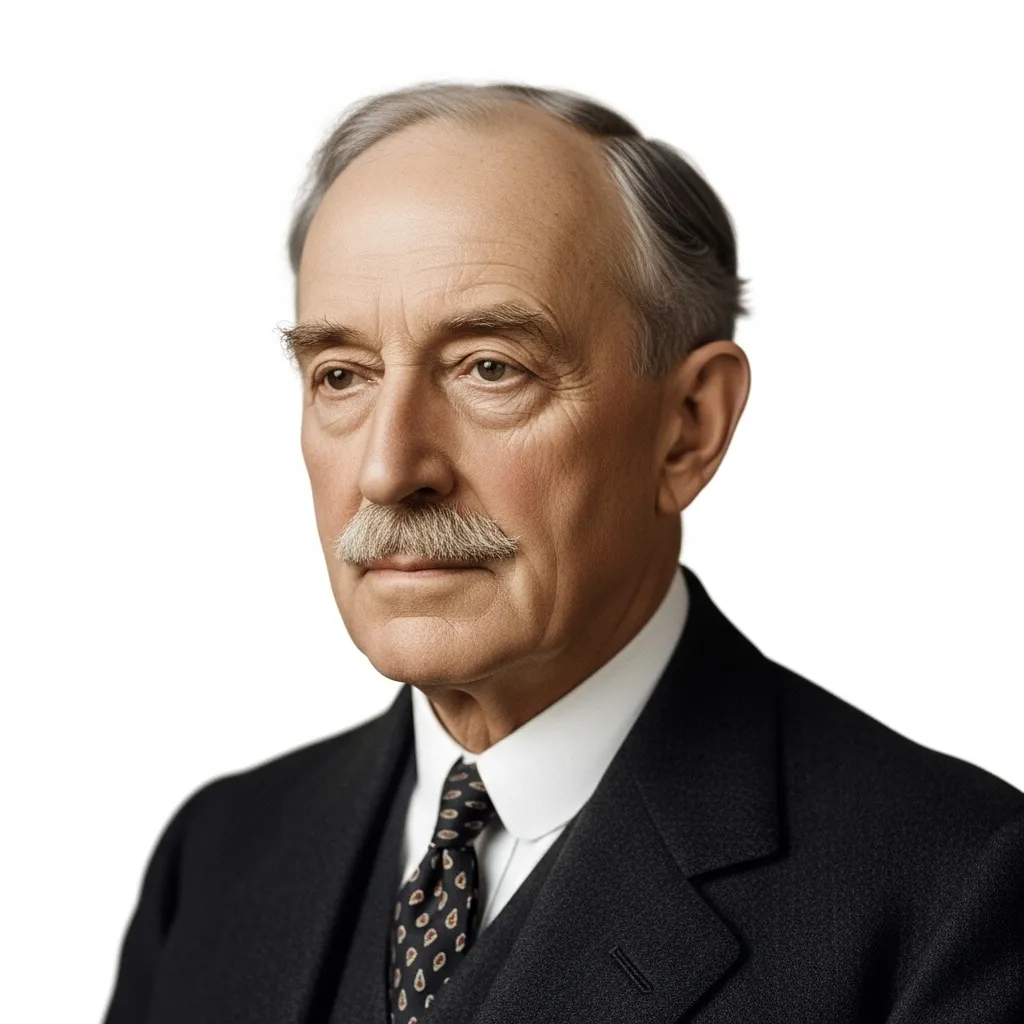
I am E.M. Forster (1879–1970), a renowned English novelist and essayist, famous for A Room with a View, Howards End, and A Passage to India. I explore human relationships, social class, and personal freedom, making my work a key part of 20th-century English literature.