Imagine a family planning a long road trip across the country. They want comfort, freedom, and the ability to sleep wherever they stop.
While searching online, they come across two common terms: RV and motorhome. At first glance, they seem the same, but travelers soon realize there is a difference between RV and motorhome.
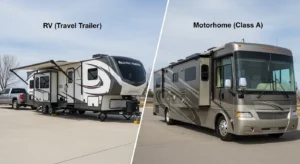
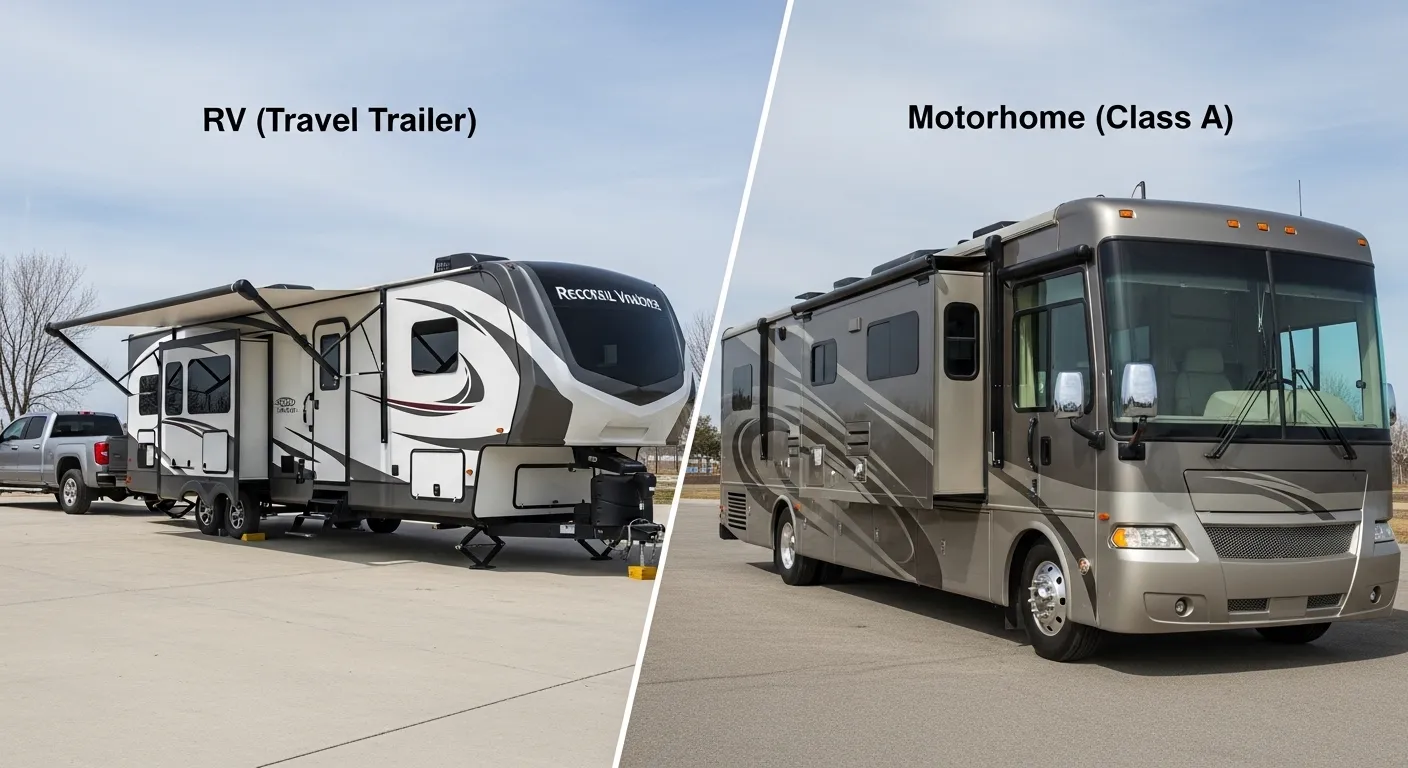
An RV (Recreational Vehicle) is a broad term used for vehicles designed for travel and living. A motorhome, however, is a specific type of RV that includes its own engine and driving cabin. Understanding the difference between RV and motorhome helps travelers choose the right vehicle for camping, vacations, or full-time living.
Many beginners confuse the two because they look similar and serve related purposes. Learning the difference between RV and motorhome can make travel planning easier, safer, and more enjoyable. If you are planning a road adventure, knowing the difference between RV and motorhome is the first step to making the right decision.
Pronunciation
| Word | US Pronunciation | UK Pronunciation |
| RV | /ˌɑːr ˈviː/ | /ˌɑː ˈviː/ |
| Motorhome | /ˈmoʊtərhoʊm/ | /ˈməʊtə həʊm/ |
To clearly understand the topic, let’s explore the difference between RV and motorhome in detail.
Difference Between RV and Motorhome
1. Definition
RV: A general category of vehicles used for recreation and travel.
Motorhome: A self-driving RV with its own engine.
Examples:
- RV example: Travel trailer pulled by a pickup truck.
- RV example: Fifth-wheel trailer for camping.
- Motorhome example: Class A luxury motorhome.
- Motorhome example: Class C motorhome with sleeping area over the cab.
2. Engine and Driving System
RV: Some RVs do not have engines and must be towed.
Motorhome: Always has a built-in engine and can be driven directly.
Examples:
- RV example: Camper trailer pulled by an SUV.
- RV example: Pop-up camper towed behind a car.
- Motorhome example: A family driving a Class C motorhome.
- Motorhome example: A retired couple touring in a Class A motorhome.
3. Types Available
RV: Includes motorhomes, travel trailers, toy haulers, and campers.
Motorhome: Limited to three main classes: Class A, B, and C.
Examples:
- RV example: Fifth-wheel trailer.
- RV example: Toy hauler RV.
- Motorhome example: Class B camper van.
- Motorhome example: Class C motorhome.
4. Cost
RV: Usually cheaper because some are towable.
Motorhome: Generally more expensive due to engine and driving features.
Examples:
- RV example: Basic travel trailer under budget.
- RV example: Pop-up camper for occasional trips.
- Motorhome example: Luxury Class A motorhome costing thousands.
- Motorhome example: Modern camper van with kitchen and bathroom.
5. Mobility
RV: Requires a separate towing vehicle.
Motorhome: Everything is in one drivable vehicle.
Examples:
- RV example: Truck pulling a camping trailer.
- RV example: SUV towing a family camper.
- Motorhome example: A couple driving a camper van through national parks.
- Motorhome example: Travelers using a motorhome for cross-country trips.
6. Parking and Setup
RV: Needs time to connect or detach from the towing vehicle.
Motorhome: Easier to park and start traveling again.
Examples:
- RV example: Detaching a trailer at a campsite.
- RV example: Setting stabilizers on a towable camper.
- Motorhome example: Parking a camper van quickly.
- Motorhome example: Driving away instantly from a rest stop.
7. Living Space
RV: Space varies depending on trailer size.
Motorhome: Usually designed with built-in living spaces.
Examples:
- RV example: Large fifth-wheel with multiple rooms.
- RV example: Small camping trailer.
- Motorhome example: Class A motorhome with living room and kitchen.
- Motorhome example: Camper van with compact sleeping area.
8. Maintenance
RV: Only the towing vehicle needs engine maintenance.
Motorhome: Requires vehicle and living system maintenance.
Examples:
- RV example: Trailer maintenance only.
- RV example: Tire and brake checks for the camper.
- Motorhome example: Engine servicing like a bus or van.
- Motorhome example: Mechanical repair along with interior systems.
9. Fuel Consumption
RV: Depends on the towing vehicle.
Motorhome: Usually consumes more fuel because of size.
Examples:
- RV example: Pickup truck towing a camper.
- RV example: SUV pulling a lightweight trailer.
- Motorhome example: Large Class A using significant fuel.
- Motorhome example: Camper van using moderate fuel.
10. Flexibility
RV: You can detach the trailer and use the towing vehicle separately.
Motorhome: Vehicle and living space are combined.
Examples:
- RV example: Parking the trailer and driving the truck to town.
- RV example: Leaving the camper at the campsite.
- Motorhome example: Taking the entire motorhome to the store.
- Motorhome example: Moving the motorhome for sightseeing.
Nature and Behaviour of Both
RV:
RVs are flexible and versatile. They come in many shapes and sizes, making them suitable for different travel styles.
Motorhome:
Motorhomes behave like large vehicles with built-in homes. They are convenient and self-contained for road trips.
Why People Are Confused About Their Use
People often confuse these terms because motorhomes are a type of RV. In everyday language, many travelers use “RV” to describe all recreational vehicles, including motorhomes. This overlap makes the distinction unclear, especially for beginners.
Difference and Similarity Table
| Feature | RV | Motorhome | Similarity |
| Meaning | General category | Specific type of RV | Both used for travel |
| Engine | May not have engine | Always has engine | Both allow mobile living |
| Types | Many types | Class A, B, C | Both include sleeping areas |
| Cost | Usually cheaper | Often expensive | Both require maintenance |
| Driving | Often towed | Self-driven | Both used for road trips |
Which is Better in What Situation?
RV:
An RV is better for travelers who already own a strong towing vehicle. Families who stay at campsites for several days often prefer towable RVs because they can detach the trailer and drive around easily. RVs also offer flexible size options and lower costs, making them suitable for beginners.
Motorhome:
A motorhome is better for travelers who want convenience and simplicity. Everything is in one vehicle, so there is no need for towing. Motorhomes are perfect for long road trips, retirees traveling full-time, or people who prefer quick stops and easy mobility.
Use in Metaphors and Similes
- “His lifestyle is like an RV, always moving and exploring new places.”
- “Their home felt like a motorhome, small but full of memories.”
These comparisons show movement, travel, and freedom.
Connotative Meaning
RV
- Positive: Adventure, freedom, travel
- Neutral: Mobile living vehicle
- Example: “They bought an RV to explore nature.”
Motorhome
- Positive: Comfort and independence
- Neutral: Self-driving camper vehicle
- Example: “The motorhome became their home on the road.”
Idioms or Proverbs Related to Travel
- Life is a journey, not a destination.
Example: Traveling in an RV reminds people that life is about experiences. - Home is where you park it.
Example: For motorhome travelers, home truly is where they park it.
Works in Literature
- “Blue Highways” Travel Memoir William Least Heat-Moon 1982
- “Travels with Charley” Travel Narrative John Steinbeck 1962
Movies Related to RV or Motorhome Travel
- RV (2006) United States
- Nomadland (2020) United States
Frequently Asked Questions
1. Is a motorhome the same as an RV?
No. A motorhome is a type of RV, but not all RVs are motorhomes.
2. Do all RVs have engines?
No. Many RVs are trailers that must be towed by another vehicle.
3. What are the main types of motorhomes?
The main types are Class A, Class B, and Class C.
4. Which is cheaper, RV or motorhome?
Towable RVs are usually cheaper than motorhomes.
5. Which is easier to drive?
Motorhomes are easier to manage because everything is in one vehicle.
How Both Are Useful for Surroundings
RVs and motorhomes promote outdoor tourism and support camping industries. They encourage people to explore nature while bringing economic benefits to campgrounds, parks, and travel services.
Final Words for Both
Both RVs and motorhomes represent freedom, adventure, and modern travel lifestyles. They provide flexible living spaces that allow people to explore the world while carrying the comforts of home.
Conclusion
Understanding the difference between RV and motorhome is important for travelers, beginners, and travel experts alike.
An RV is a broad category that includes many types of recreational vehicles, while a motorhome is a specific self-driving RV. This distinction helps people choose the right vehicle based on budget, travel style, and convenience.
RVs offer flexibility and affordability, while motorhomes provide comfort and simplicity. Both options support adventure, exploration, and a mobile lifestyle. By learning the difference between RV and motorhome, travelers can make smarter decisions and enjoy their journeys with confidence.
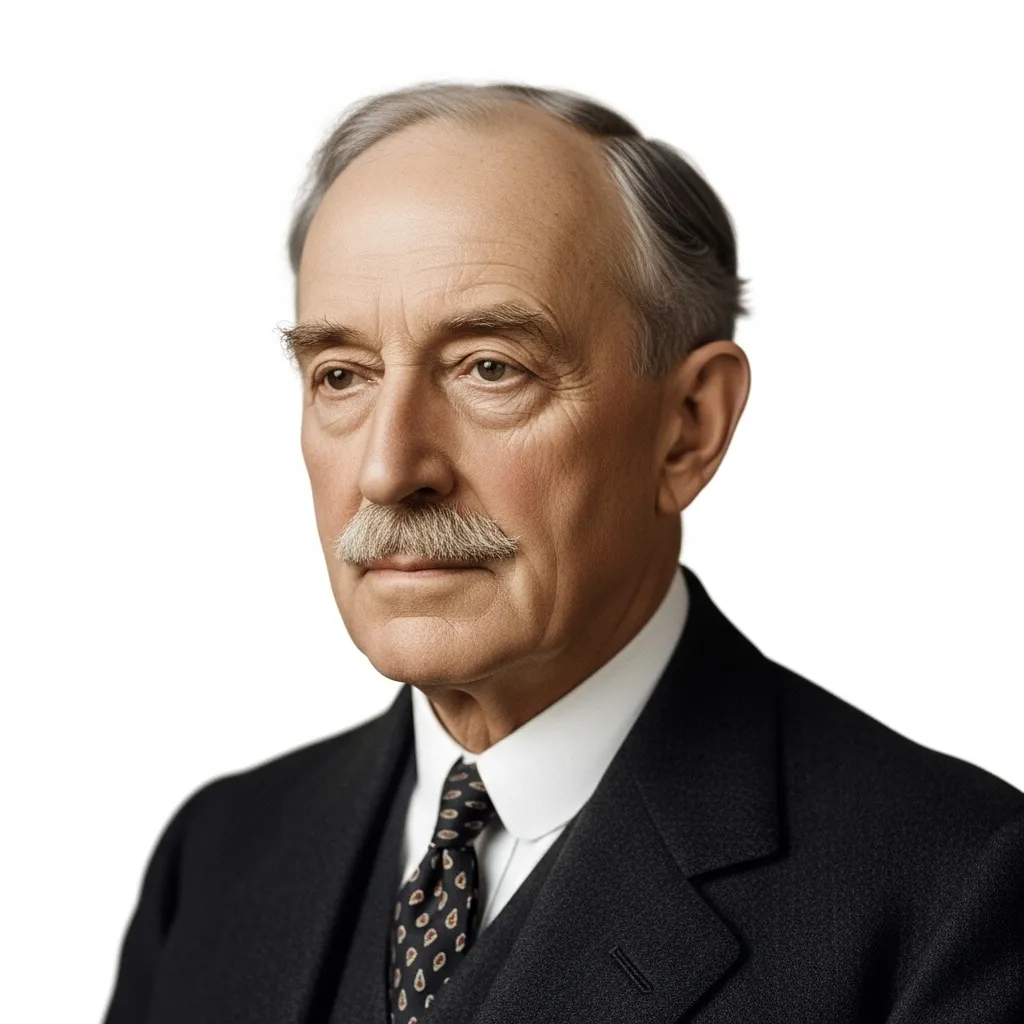
I am E.M. Forster (1879–1970), a renowned English novelist and essayist, famous for A Room with a View, Howards End, and A Passage to India. I explore human relationships, social class, and personal freedom, making my work a key part of 20th-century English literature.